San Antonio Suburbs, Neighborhoods & Communities — A Detailed Guide to Where to Live
San Antonio is a large, spread-out city with a lot of very different places to live within it. This guide helps you understand how the major areas are organized, who each one tends to suit, and where to focus your research before you go deeper.
→ New to San Antonio? Start with the San Antonio Relocation Guide
→ Ready to find your suburb match? Take the San Antonio Suburb Quiz
There’s No “Best” Area in San Antonio — Only the Best Fit for You
San Antonio is one of those cities that surprises people. It’s not organized the way most cities are — there’s no obvious “good side of town” and no single suburb that’s right for everyone. What works perfectly for one family is completely wrong for another, and that’s not a cliché. It’s just how San Antonio actually works.
The families I help relocate here are looking for very different things. Some want newer construction, strong schools, and community amenities within 30 minutes of work. Others want Hill Country views, acreage, and a pace of life that feels intentionally slower. Some want to be walking distance from a real downtown with restaurants and character. A few want all three and have to make trade-offs.
The goal of this guide is to help you understand what each type of area actually offers — and who it tends to suit — so you can eliminate the options that don’t fit and focus on the ones that do.
How to Use This San Antonio Community Guide
1.
Start with Lifestyle + Priorities
What matters most right now — schools, space, commute, community feel, or price? Knowing your priorities before you research areas saves hours of time and prevents the “I love this house but I hate the drive” situation that catches a lot of families off guard.
2.
Narrow by Location + Commutes
San Antonio’s size means where you live relative to where you go matters more than most people expect. A suburb that looks close on a map can feel far in practice during rush hour. Understanding the commute picture first eliminates a lot of options quickly.
3.
Then Go Deep on Specific Areas
Once you know the general direction, the individual suburb and neighborhood guides give you the real detail — schools, price ranges, vibe, trade-offs, and whether it’s actually the right fit for your family specifically.
Explore San Antonio by Community Type
San Antonio offers a wide mix of living styles across both the city and surrounding suburbs. These broad categories can help you quickly identify which areas may be worth exploring further.
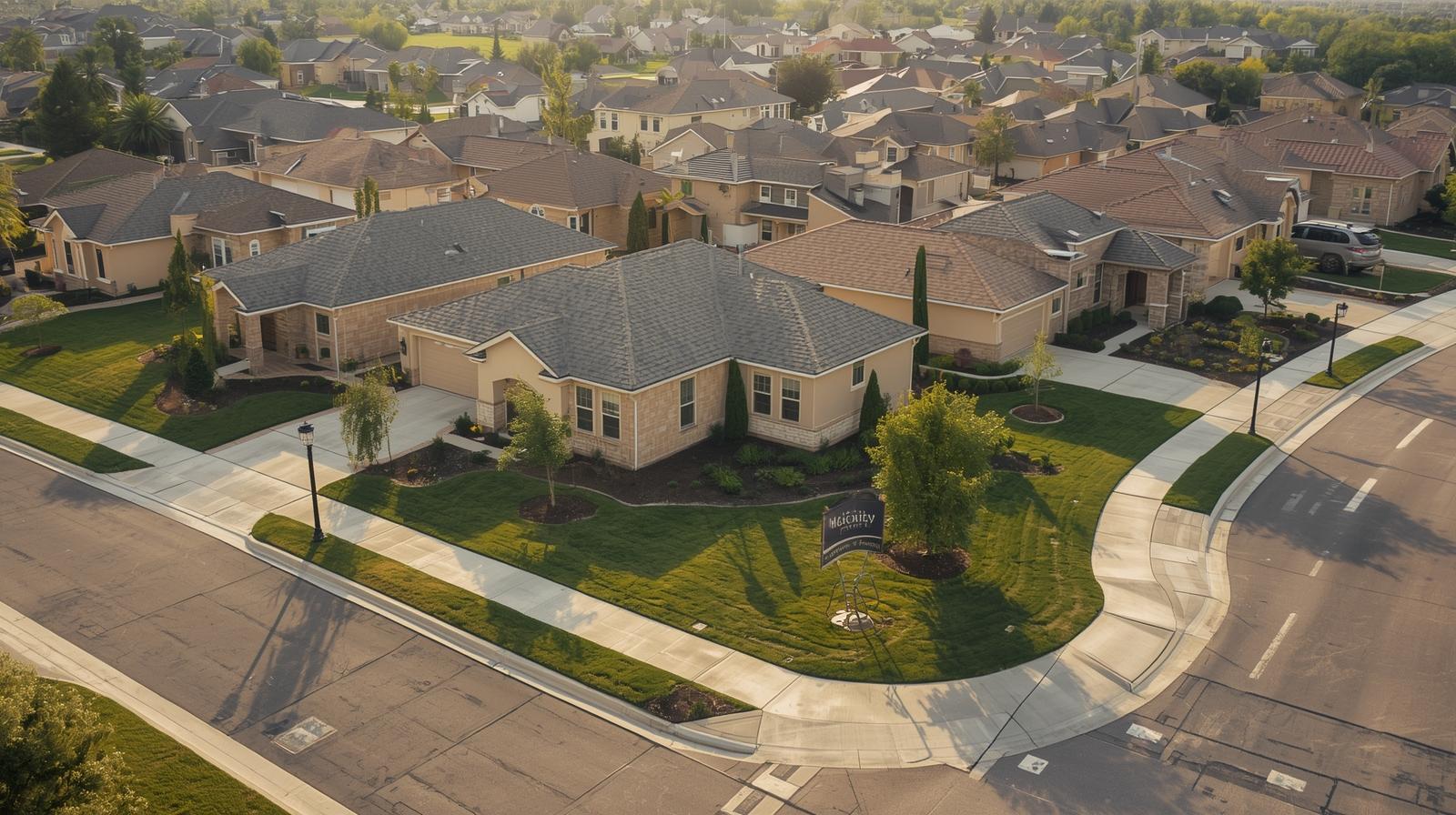
Suburban Communities
Master-planned neighborhoods, newer construction, community pools and amenities, HOAs, and family-focused environments. This is where most relocating families from out of state end up — and for good reason. The trade-offs are predictable: you get newer, well-amenitized living in exchange for cookie-cutter streetscapes and longer drives to the city’s character neighborhoods.
Best for: Families who want newer homes, strong schools, community infrastructure, and don’t need to be close to downtown San Antonio to be happy.
Watch out for: HOA rules, longer commutes if you work in central SA, and the fact that “suburban” covers a huge range — from budget-friendly Converse to premium Boerne. They’re not all the same.

Texas Hill Country + Small-Town Living
Larger lots, Hill Country scenery, slower pace, and towns with genuine identity. Boerne has a real Main Street. New Braunfels has the Guadalupe River. Wimberley and Comfort have the kind of small-town feel that’s genuinely hard to find anywhere close to a major metro.
The honest trade-off: you’re commuting. Some of these areas are 30–45 minutes from San Antonio, and for daily commuters that adds up. But for remote workers, hybrid schedules, or families where lifestyle is the primary driver — this is often where the conversation ends.
Best for: Families who prioritize character, space, and a slower pace of life over suburban convenience. Especially strong for buyers coming from California or Colorado who want Texas Hill Country to feel like home, not just a backdrop.

Urban + Historic Neighborhoods
Older neighborhoods close to the city core — King William, Alamo Heights, Terrell Hills, Monte Vista, and other established San Antonio communities with character homes, walkable streets, and proximity to downtown, the Medical Center, and Fort Sam.
These areas attract buyers who want San Antonio to feel like a real city, not just a collection of subdivisions. The trade-offs are real: older homes sometimes need work, lots are smaller, and some price points are higher than comparable square footage in the suburbs. But for the right family, nothing in the metro competes with the character and location these neighborhoods deliver.
Best for: Buyers who value walkability, established neighborhood identity, character homes, and being close to San Antonio’s cultural and employment core. Also a frequent landing spot for Fort Sam and downtown-commuting families.
Explore Urban & Historic Areas →

Small Towns + Rural Living
Further out, more land, genuinely different pace. Towns like Seguin, Castroville, La Vernia, and Canyon Lake attract buyers who want something the suburbs simply can’t deliver — space, privacy, and a community that existed long before San Antonio grew toward it.
Best for: Remote workers, acreage buyers, buyers priced out of the Hill Country, and families who specifically want rural Texas over suburban Texas.
San Antonio vs. Suburban Living: What Most Relocating Buyers Don’t Expect
When families say they’re “moving to San Antonio,” they often mean very different things — and the difference matters a lot in practice.
Some picture living close to downtown with quick access to restaurants, culture, and established neighborhoods. Others picture newer homes, quiet streets, and more space, even if that means living outside the city limits in a place that has its own identity.
Both exist here. But they come with genuinely different trade-offs that aren’t always obvious until you map out your actual daily routines.
Living in San Antonio (city neighborhoods) often means:
-
Shorter drives to employment centers, dining, and entertainment
-
Older homes with more character, but sometimes smaller lots
-
Established neighborhoods with a stronger sense of walkability
-
Higher competition for certain price points and home styles
Living in the suburbs or surrounding towns typically offers:
-
Newer construction and more master-planned communities and features
-
Larger homes and sometimes larger lots for the same budget
-
Quieter residential areas with neighborhood amenities (and schools nearby)
-
Longer commute times, depending on location and traffic patterns
The biggest mistake I see relocating families make is falling in love with a house before they’ve driven the commute at 8am on a Tuesday. San Antonio is spread out enough that location choice shapes daily life in ways that the home itself can’t fix. Start with where you need to be, then find the area that works, then find the home.
How the Major San Antonio Suburbs Compare at a Glance
| Suburb / Area | Type | School District | Commute to SA | Price Range | Best For |
|---|---|---|---|---|---|
| Boerne | Hill Country | Boerne ISD | 30–45 min | $400K–$900K+ | Schools + Hill Country lifestyle |
| Helotes | Hill Country | Northside ISD | 25–35 min | $380K–$750K | Space + Hill Country feel + Northside ISD |
| Alamo Ranch / Far West | Suburban | Northside ISD | 20–35 min | $320K–$600K | New construction + Lackland access |
| Stone Oak | Suburban | North East ISD | 20–35 min | $380K–$750K+ | Established suburban + NEISD schools |
| Schertz / Cibolo | Suburban | SCUC ISD | 25–40 min | $300K–$580K | Military families + new construction |
| New Braunfels | Hill Country | Comal ISD | 35–50 min | $320K–$700K+ | River lifestyle + real town identity |
| Fair Oaks Ranch | Hill Country | Boerne ISD | 35–50 min | $500K–$1.2M+ | Acreage + Boerne ISD + privacy |
| Bulverde | Hill Country | Comal ISD | 40–55 min | $350K–$750K | Semi-rural + space + slower pace |
| Alamo Heights | Urban / Historic | Alamo Heights ISD | 10–20 min | $550K–$1.2M+ | Top schools + walkable + central |
| Converse | Suburban | Judson ISD | 20–35 min | $240K–$400K | Affordability + northeast access |
| Universal City | Suburban | SCUC ISD | 25–40 min | $240K–$380K | Randolph proximity + SCUCISD value |
Commute times are estimates to central San Antonio during normal conditions. Price ranges reflect general current market — verify current listings for specifics. School district assignments vary by address — always confirm before purchasing.
Popular San Antonio Suburbs — Start Exploring
These are the suburbs that come up most often in relocation conversations. Each one has a full guide — what it actually feels like to live there, schools, commute, price ranges, pros and cons, and who it tends to be the right fit for.
Hill Country & Northwest
- Living in Boerne, TX — Top-rated schools, Hill Country small-town identity, 30 min from SA
- Living in Helotes, TX — Established Hill Country feel, Northside ISD, larger lots
- Living in Bulverde, TX — More space and privacy, newer construction north of SA
- Living in Fair Oaks Ranch, TX — Boerne ISD, larger lots, country club lifestyle
North San Antonio
- Living in Stone Oak — Established north SA, NEISD schools, polished suburban convenience
- Living in Alamo Heights, TX — Top-ranked unified school district, central location, walkable character
Northwest San Antonio
- Living in Alamo Ranch — Value-driven, newer construction, strong Lackland access, Northside ISD
- Far West San Antonio
Northeast San Antonio
- Living in Schertz & Cibolo, TX — Randolph AFB access, SCUCISD schools, newer master-planned communities
- Living in Universal City, TX — Closest off-base community to Randolph, most affordable in the northeast corridor
- Living in Converse, TX — Budget-friendly, active new construction, Fort Sam and Randolph access
Beyond SA — Hill Country Towns
- Living in New Braunfels, TX — River town lifestyle, dual metro access, Comal ISD and NBISD
Not sure which suburb fits your family? The Suburb Match Quiz asks nine questions and gives you a personalized recommendation in about two minutes.
How Location Impacts Home Prices in San Antonio
Two homes at the same price can feel completely different depending on where they are. A $450K home in Boerne looks different from a $450K home in Converse — not just in style, but in lot size, school district, commute reality, and long-term value trajectory.
This is why searching by price alone tends to create confusion. Understanding which areas fit your priorities first, then filtering by price within those areas, gets you to the right homes faster and prevents the frustration of touring places that technically fit your budget but don’t fit your life.
The suburb comparison table above is a good starting point. The individual suburb guides go deeper on what each price range actually gets you in that specific area.
→ Browse homes by area & price in San Antonio
→ Explore new construction homes in San Antonio
Not Sure Which Suburb Is Right for You?
Nine questions. Two minutes. A suburb recommendation built around your specific commute, budget, school priorities, and lifestyle — not a generic list of top suburbs that ignores what actually matters to your family.
This is the fastest way to narrow down where to focus before you spend hours researching everywhere.
Questions Buyers Ask When Choosing Where to Live in San Antonio
These are the questions that come up most often when families are trying to figure out where in San Antonio actually makes sense for them.
Is traffic in San Antonio bad for people relocating from out of state?
San Antonio traffic is less about congestion and more about distance. The city is spread out, so commute times depend heavily on where you live in relation to work, schools, and daily errands. Many relocating buyers are surprised that a 10–15 mile drive can feel long during peak hours. Choosing the right area often matters more than choosing the “right” house when it comes to daily quality of life.
How far do San Antonio suburbs feel from the city?
That depends on the suburb and how often you plan to drive into San Antonio. Some suburbs feel closely connected to the city, while others feel like independent towns with their own pace and amenities. Buyers who value space, newer homes, and quieter evenings often love suburban living, while those who want shorter drives and quicker access to city attractions tend to stay closer to central San Antonio.
What’s the difference between San Antonio neighborhoods and surrounding suburbs?
San Antonio neighborhoods are typically located within city limits or near the city core, while suburbs are separate cities or master-planned communities outside the center. Suburbs often offer newer homes, community amenities, and HOAs, while neighborhoods inside San Antonio may feature older homes, more character, and varied zoning. Neither option is better — it’s about what fits your lifestyle, commute, and priorities.
Are HOAs common in San Antonio neighborhoods and suburbs?
Yes, HOAs are very common in newer communities and many suburban areas around San Antonio. They can affect parking, exterior changes, rentals, and long-term flexibility. Some buyers appreciate the structure, while others prefer fewer restrictions. If HOAs are a concern, it’s important to review the rules early and focus on areas that align with your comfort level.
How do property taxes vary by location in San Antonio?
Property taxes in San Antonio can vary significantly based on location, school district, and whether a home is in a special taxing district like a MUD or PID. Two homes with similar prices can have very different monthly payments due to taxes alone. Understanding how location impacts taxes helps relocating buyers set realistic budgets and avoid surprises after closing.
How important are school districts when choosing where to live in San Antonio?
School districts play a big role for many buyers, but zoning can vary even within the same neighborhood. Some areas feed into multiple schools depending on the street. In addition to ratings, many families consider commute time, programs offered, and overall school environment. If schools are a priority, it’s best to confirm zoning before narrowing down homes.
Is it better to rent or buy when moving to San Antonio?
There’s no one-size-fits-all answer. Renting can make sense if you’re unsure about location or timeline, but many relocating buyers choose to buy right away with a clear plan. By narrowing areas based on lifestyle, commute, and budget — and using virtual tours when needed — buyers can confidently purchase without living in San Antonio first.
Which side of San Antonio is best to live in?
There is no single “best” side of San Antonio. Each area offers a different mix of housing styles, pricing, commute patterns, and lifestyle pace. The better question is what you want your everyday life to look like. Once priorities like work location, school needs, and home preferences are clear, the right area usually becomes obvious.
What mistakes do people make when choosing a neighborhood in San Antonio?
One of the biggest mistakes is choosing an area based only on photos, recommendations, or list prices without considering daily routines. San Antonio’s size means small location differences can greatly impact commute time and lifestyle. Comparing a few finalist areas side-by-side helps buyers make smarter, more confident decisions.
Can a relocation specialist help me choose where to live in San Antonio?
Yes. Many buyers relocating to San Antonio choose areas without ever visiting in person. A relocation specialist can help narrow options based on priorities, provide video walkthroughs of neighborhoods, explain commute realities, and compare areas honestly — so you’re making an informed decision instead of guessing online.
Ready to Narrow It Down?
Most families I work with don’t arrive knowing which suburb is right — they arrive knowing their priorities, and we figure out the rest together. That’s exactly the kind of conversation I have every week with relocating families.
If you want to talk through your specific situation — commute, schools, budget, and what you’re hoping daily life feels like here — I’m here for that.
Schedule a Free Suburb Match Call→
Get the San Antonio Relocation Guide →
Or reach out directly: 📞 210.236.2393 ✉️ tammy@livinginsatx.com
Tammy Dominguez | San Antonio Realtor® & Military Relocation Professional | License #684278 | Realty United, LLC