← Back to Moving to San Antonio
San Antonio Community Guide: Suburbs, Neighborhoods & How to Find Your Fit
San Antonio covers over 460 square miles with different communities in every direction. This guide organizes the city so you can figure out which type of area fits your family.
New to San Antonio? Start with the San Antonio Relocation Guide
Ready to find your suburb match? Take the San Antonio Suburb Quiz
Want the full city map in one place? See Where to Live in San Antonio
Why Where You Live in San Antonio Matters More Than in Most Cities
San Antonio is not organized the way most cities are. There is no obvious good side of town, no single suburb that works for everyone, and no shortcut to figuring it out from a map. The city sprawls across more than 460 square miles, and the community you end up in will feel nothing like the one across town.
A family in Boerne lives a different life than a family in Schertz. Both are “San Antonio area.” Both have strong schools and newer construction options. But they fit completely different priorities, and choosing the wrong one could land you with a commute that grinds you down, a school district that doesn’t fit your kids, or a community character that just doesn’t feel like home.
The goal of this guide is to help you understand how the city’s communities break down before you start researching specific suburbs. Get the category right first. Then go deep.
San Antonio Community Types: What Each Area Actually Offers
San Antonio’s residential options fall into four broad categories. Most families fit into one or two of them once they list out their priorities.
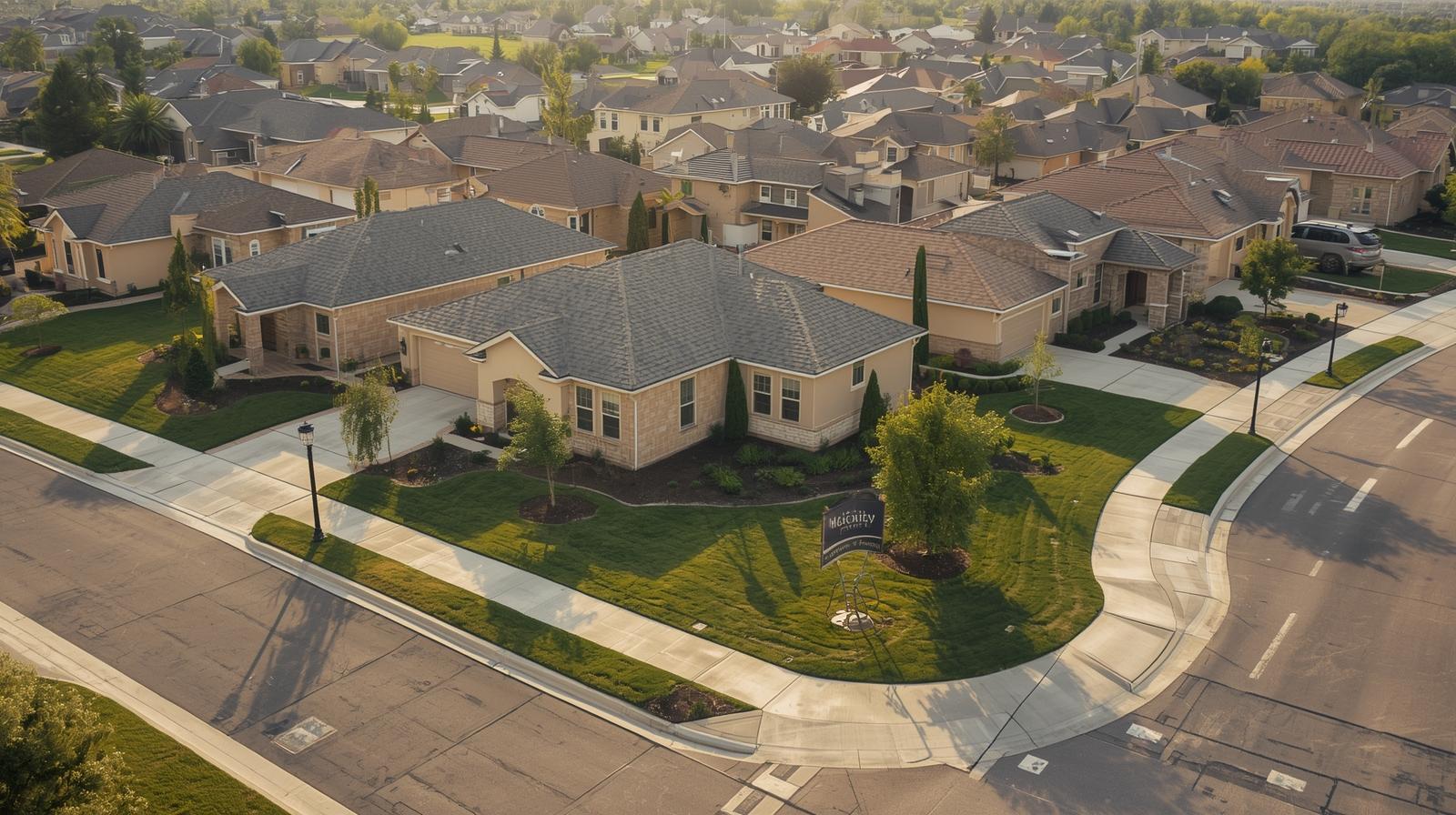
Master-Planned Suburban Communities
Newer construction, HOAs, community amenities, and family-focused infrastructure. This is where most relocating families from out of state land. You get newer homes, strong school district access, and a predictable suburban rhythm in exchange for cookie-cutter streetscapes and longer drives to the city’s character areas.
The suburban ring covers a wide range. From budget-friendly communities like Converse and Universal City in the northeast to the far west San Antonio corridor near Lackland to well-established Schertz and Cibolo in the northeast. “Suburban” does not mean one thing here.
Best for: Families who want newer homes, strong schools, and community amenities without needing to be close to downtown.
Watch out for: HOA rules and the wide range in what “suburban” means across different parts of the metro. Alamo Ranch and Converse are both suburban, but they are not the same.

Texas Hill Country + Small-Town Living
Larger lots, genuine Hill Country scenery, towns with their own identity, and a pace of life that just feels different. Boerne has a downtown area right on Cibolo Creek. New Braunfels has the Guadalupe River. Helotes gives you Hill Country character without a 45-minute commute.
The trade-off: you are commuting. Most Hill Country communities run 30 to 55 minutes from central San Antonio. For remote workers and hybrid schedules that is manageable. For daily downtown or Medical Center commuters it adds up fast.
Best for: Families who prioritize landscape, space, and a slower pace over suburban convenience. The most consistent landing spot for buyers from California and Colorado.

Established Suburbs With Their Own Identity
Not master-planned, not built last year. Communities like Alamo Heights, Stone Oak, Shavano Park, and Timberwood Park have been around long enough to develop neighborhood character: mature trees, larger lots, established schools, and a settled feel that newer construction communities cannot duplicate.
Price points run higher in most of these areas. Resale inventory is the primary market. But for buyers who specifically want a neighborhood that feels like it has been somewhere for a while, this is the category to focus on.
Best for: Buyers who want established feel, larger lots, and are willing to pay for it. Also strong for buyers specifically targeting Alamo Heights ISD or NEISD in a more settled setting.

Small Towns + Rural Living
Further out, more land, genuinely different pace. Seguin, Castroville, La Vernia, Canyon Lake, and other communities beyond the suburban ring attract buyers who want something the suburbs can’t deliver: space, privacy, and a community that existed long before San Antonio grew toward it.
For buyers who want acreage, the acreage homes near San Antonio guide and the well and septic guide cover the practical realities of rural property ownership that most out-of-state buyers have not dealt with before.
Best for: Remote workers, acreage buyers, and families who specifically want rural Texas over suburban Texas.
How the Major San Antonio Suburbs Compare at a Glance
| Suburb / Area | Type | School District | Commute to SA | Price Range | Best For |
|---|---|---|---|---|---|
| Boerne | Hill Country | Boerne ISD | 30–45 min | $400K–$900K+ | Schools + Hill Country lifestyle |
| Helotes | Hill Country | Northside ISD | 25–35 min | $380K–$750K | Space + Hill Country feel + Northside ISD |
| Fair Oaks Ranch | Hill Country | Boerne ISD | 35–50 min | $500K–$1.2M+ | Acreage + Boerne ISD + privacy |
| Bulverde | Hill Country | Comal ISD | 40–55 min | $350K–$750K | Semi-rural + space + slower pace |
| New Braunfels | Hill Country | Comal ISD / NBISD | 35–50 min | $320K–$700K+ | River lifestyle + real town identity |
| Alamo Heights | Urban / Historic | Alamo Heights ISD | 10–20 min | $550K–$1.2M+ | Top schools + walkable + central |
| Stone Oak | Suburban | North East ISD | 20–35 min | $380K–$750K+ | Established suburban + NEISD schools |
| Shavano Park | Suburban | Northside ISD | 20–30 min | $550K–$1.2M+ | Executive commute + established + large lots |
| Timberwood Park | Suburban | Comal ISD | 35–45 min | $400K–$750K | Established north SA + larger lots + Hwy 281 |
| Alamo Ranch / Far West | Suburban | Northside ISD | 20–35 min | $320K–$600K | New construction + Lackland access |
| Leon Valley | Suburban | Northside ISD | 15–25 min | $260K–$450K | Affordability + Northside ISD + city access |
| Schertz / Cibolo | Suburban | SCUC ISD | 25–40 min | $300K–$580K | Military families + new construction |
| Universal City | Suburban | SCUC ISD | 25–40 min | $240K–$380K | Randolph proximity + SCUCISD value |
| Converse | Suburban | Judson ISD | 20–35 min | $240K–$400K | Affordability + northeast access |
| Live Oak | Suburban | SCUC ISD | 25–35 min | $260K–$420K | Randolph access + SCUCISD + value |
| Garden Ridge | Suburban | Comal ISD | 30–40 min | $380K–$650K | Larger lots + Comal ISD + quiet character |
| Seguin | Small Town | Seguin ISD | 40–50 min | $220K–$420K | Small-town character + acreage options |
| Canyon Lake | Small Town | Comal ISD | 45–60 min | $300K–$700K+ | Lakefront + Hill Country + remote workers |
| La Vernia | Small Town | La Vernia ISD | 35–50 min | $280K–$550K | Acreage + rural pace + southeast corridor |
| Castroville | Small Town | Medina Valley ISD | 30–40 min | $240K–$480K | Historic character + west corridor + acreage |
Commute times are estimates to central San Antonio during normal conditions. Price ranges reflect general current market — verify current listings for specifics. School district assignments vary by address — always confirm before purchasing.
San Antonio Suburbs by Corridor: Find Your Area
San Antonio’s suburbs are easier to understand when you think in corridors rather than individual names. Here is how the major communities break down geographically, with direct links to full guides for each.
Northwest + Hill Country Corridor
Boerne, TX: Boerne ISD, 30 to 45 min from central SA. Top pick for families wanting Hill Country character, strong schools, and a real small-town downtown.
Helotes, TX: Northside ISD, 25 to 35 min from Lackland. Established Hill Country feel with larger lots closer to the city than Boerne.
Bulverde, TX: Comal ISD, 35 to 50 min from central SA. More space and privacy north of the city with newer construction options at accessible prices.
Fair Oaks Ranch, TX: Boerne ISD, 35 to 45 min from central SA. Larger lots, country club lifestyle, and strong Boerne ISD access on the northwest corridor.
North San Antonio
Stone Oak: Northeast ISD, 25 to 35 min from downtown. Polished established suburb with strong amenities, NEISD schools, and the most built-out retail and dining of any north SA community.
Alamo Heights, TX: Alamo Heights ISD, 15 to 20 min from downtown. Top-ranked unified district, walkable small-city character, and the most distinct neighborhood identity in the metro.
Timberwood Park: Comal ISD, 35 to 45 min from central SA. Established north SA community with larger lots, mature trees, and Hwy 281 corridor access.
Shavano Park: Northside ISD, 20 to 30 min from Fort Sam Houston and USAA. Established north-central SA with larger lots and some of the strongest executive commute access in the metro.
Far West San Antonio
Alamo Ranch: Northside ISD, 20 to 30 min from Lackland. Value-driven newer construction and one of the highest-volume family relocation areas in the metro.
Leon Valley: Northside ISD, 15 to 25 min from central SA. Accessible pricing with solid city access closer in than most far west options.
The far west San Antonio corridor: including the 1604/Potranco area and Westover Hills, covers the most active new construction zone in the metro with strong Northside ISD access and short Lackland gate commutes.
Northeast San Antonio
Schertz and Cibolo, TX: SCUCISD, 20 to 30 min from Randolph AFB. Master-planned communities, strong schools, and one of the top military family relocation areas in the metro.
Universal City, TX: SCUCISD, closest off-base community to Randolph AFB and the most affordable option in the northeast corridor.
Converse, TX: SCUCISD, budget-friendly northeast option with active new construction and good Randolph and Fort Sam access.
Live Oak: SCUCISD, short Randolph AFB gate commute at accessible prices.
Garden Ridge: Comal ISD, larger lots and quiet residential character between San Antonio and New Braunfels.
Beyond San Antonio
New Braunfels, TX: Comal ISD and NBISD, 30 to 40 min from central SA. River town lifestyle, dual metro access, and some of the strongest long-term growth in the region.
Looking further out? The small towns near San Antonio guide covers Seguin, La Vernia, Floresville, Castroville, and more for buyers who want land, privacy, and a different pace.
Still not sure which area of San Antonio fits best?
Many buyers compare several of these areas before narrowing down their choice. If you’re early in the process, the San Antonio Community Guide is the best place to understand how these suburbs compare before diving into details.
Not Sure Which Suburb Is Right for You?
Nine questions. Two minutes. A suburb recommendation built around your specific commute, budget, school priorities, and lifestyle.
This is the fastest way to narrow down where to focus before you spend hours researching everywhere.
Take the Free Suburb Match Quiz
Or if you want the most comprehensive breakdown of every part of the city in one place, the Where to Live in San Antonio page maps all of it: community types, price ranges, school districts, and trade-offs, before you start narrowing your search.
Once you have a sense of which community type fits your family, these buyer education guides help you move from research to action: San Antonio property taxes, new construction vs. resale, HOA guide for San Antonio buyers, and buying a home remotely in San Antonio.
Questions Buyers Ask When Choosing Where to Live in San Antonio
These are the questions that come up most often when families are trying to figure out where in San Antonio actually makes sense for them.
What is the best suburb of San Antonio for families?
There is no single answer. It depends on your school district priorities, commute destination, budget, and whether you want newer construction or an established neighborhood. The most popular areas for relocating families are Boerne, Helotes, Schertz and Cibolo, Alamo Ranch, Stone Oak, and New Braunfels. The best neighborhoods for families in San Antonio compares them side by side.
How do I narrow down which San Antonio suburb is right for my family?
Start with three questions: Where are you commuting? What school district matters most? And do you want newer construction or an established neighborhood? Those three answers eliminate most of the wrong options quickly. The San Antonio suburb quiz takes about three minutes and gives you a personalized recommendation based on your specific priorities.
What is the difference between living in San Antonio and living in the suburbs?
City neighborhoods like Alamo Heights, Monte Vista, and Terrell Hills offer walkability, character homes, and shorter drives to employment centers – at the cost of older housing stock and smaller lots. The suburbs deliver newer homes, more space, and community amenities in exchange for longer commutes and more car dependency.
Are San Antonio’s suburbs affordable?
The range is wide. Alamo Ranch, Converse, and Universal City sit at the accessible end of the market with strong school district access. Boerne, Stone Oak, and Fair Oaks Ranch sit at the premium end. Most families relocating from California, Colorado, or the Pacific Northwest find every part of that range represents better value than what they left. The homes by area and price guide breaks down what different budgets buy across the metro.
How important is school district when choosing where to live in San Antonio?
Very. In San Antonio, school district zoning follows property address, not neighborhood name. District boundaries sometimes split subdivisions. Families prioritizing specific districts like Boerne ISD, Alamo Heights ISD, or Comal ISD need to confirm zoning by address before making a purchase decision. The San Antonio schools guide covers every major district with detail on programs, performance, and which communities each one serves.
Ready to Figure Out Which San Antonio Community Fits Your Family?
San Antonio has so many community options that it can seem overwhelming at first. Most families I work with have a much clearer picture after one conversation about their priorities than after hours of independent research.
I’ve helped families relocate here from California, Colorado, the Pacific Northwest, and across the country. I grew up just outside San Antonio in Seguin and have lived here for 20+ years. Let’s figure out your best options in the San Antonio before you start searching.
Schedule a Free Relocation Call
📞 210.236.2393 · ✉️ tammy@livinginsatx.com
Explore more: Where to Live in San Antonio · San Antonio Suburbs · Texas Hill Country Living · Small Towns Near San Antonio · Best Neighborhoods for Families · San Antonio Suburb Quiz
Tammy Dominguez | San Antonio Realtor® & Relocation Specialist | License #684278 | Realty United, LLC