← Back to San Antonio Relocation Hub
Moving from Colorado to San Antonio, Texas
The financial reasons for leaving Colorado have become hard to ignore. Here’s what San Antonio actually offers Colorado families cost, the outdoor lifestyle, and the question of what you’re trading vs. what you’re gaining.
Why Colorado Families Are Choosing San Antonio
Colorado’s transformation over the past fifteen years kind of mirrors what happened in California. A state that attracted people with its natural beauty, its outdoor access, and its relative affordability became one of the more expensive places to live in the entire country. Denver’s home prices have risen faster than most major metros. The state income tax that didn’t feel like a big deal at lower income levels starts to matter more as careers advance. The cost of living in Boulder, Fort Collins, Colorado Springs, and Denver’s desirable suburbs has reached a point where the math of staying is hard to justify for families who can work remotely or whose employers are relocating.
San Antonio ends up in that conversation for a few reasons.
No state income tax. For a family earning $150,000 in Colorado, the state income tax bill runs roughly $6,500 to $7,500 annually. That money stays in your pocket in Texas.
Housing that leads the budget conversation. Colorado buyers are often the most surprised of any out-of-state group when they see what their budget buys in San Antonio’s top school districts. A budget that means a compromise in Denver’s suburbs means a 3,500 to 4,500 square foot home on a good lot in Boerne or Stone Oak. The quality of construction in San Antonio’s active new construction communities tends to exceed what the same budget delivers in Colorado’s tighter resale market.
A lower cost of living across the board. Beyond housing and income tax, everyday costs in San Antonio run below Denver across most categories. The overall effect on a family’s monthly budget can be huge.
The San Antonio cost of living guide runs the full side-by-side comparison with Colorado including housing, property taxes, and the income tax picture.
The Outdoor Lifestyle Question Difference Between Colorado & Texas
This is the question Colorado buyers ask more often than any other group, and it deserves a direct answer.
San Antonio is not Colorado. There are no mountains. The elevation is low. There is no skiing, no fourteeners, no aspen groves turning gold in October. If those specific things are central to your identity and your family’s life, there is a trade-off that you should consider before making your decision.
What San Antonio does have, and what most Colorado buyers appreciate more than they expected, is the Texas Hill Country.
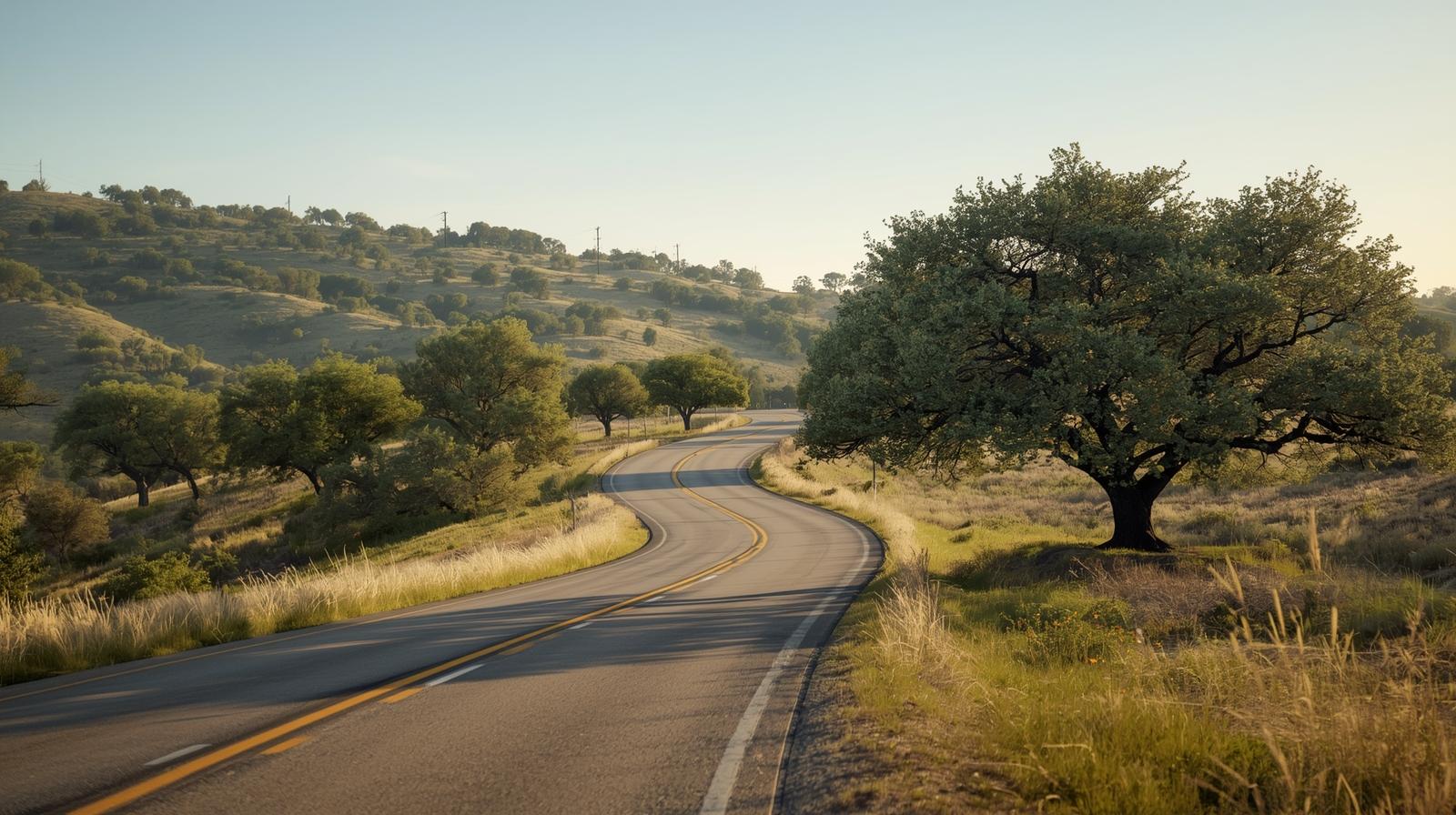
The Hill Country starts at San Antonio’s edge and runs northwest for hundreds of miles. It’s cedar and live oak rather than pine and aspen. The rivers (the Guadalupe, the Frio, the Medina, the Comal), are spring-fed and cold, running clear over limestone beds through canyon terrain. Swimming, kayaking, tubing, and fly fishing on these rivers is an outdoor lover’s dream. The Guadalupe below Canyon Lake Dam runs cold enough in summer that it feels like a mountain river, which is why it draws people from across Texas when the summer temperatures are super hot.
Hiking and mountain biking in the Hill Country State Natural Area, Pedernales Falls State Park, Enchanted Rock State Natural Area, and the dozens of smaller parks and trails in the region gives families consistent outdoor access within 30 to 90 minutes of San Antonio. The terrain is not dramatic by Colorado standards. It is genuinely beautiful by its own standard, and families who spend time in it tend to develop a real attachment to it.
Cycling culture in San Antonio and the Hill Country is strong. Tthe roads through Bandera County, Medina County, and the surrounding Hill Country are among the best cycling terrain in Texas. Road cyclists from across the state make regular trips to these routes.
The Texas Hill Country is the closest geographic parallel to what Colorado buyers are used to: limestone hills, spring-fed rivers, cedar and live oak terrain, and small towns with tons of character. The Texas Hill Country living guide covers it in full, and communities like Boerne, Spring Branch, and Canyon Lake are where most Colorado buyers end up looking first.
The Weather Trade-off
Colorado buyers have the most drastic weather adjustment of any group moving to San Antonio.
Summers are so hot. May through October, temperatures above 100 degrees are common. The humidity is not extreme by Gulf Coast standards but it is present, and it makes the temperature feel higher than Colorado’s dry heat at altitude. You will run your air conditioning for nine to ten months. There is no escaping outside at 6am for a cool run in July the way you might have in Colorado.
Winters are mild in ways that feel like a gift. San Antonio rarely drops below freezing for more than a day or two at a stretch. The February 2021 winter storm was a historic outlier. It was more of a once-in-a-generation event, not at all a pattern. For families who have spent years shoveling driveways, winterizing vehicles, and paying heating bills in Colorado, the San Antonio winter is usually the first thing they say they love about living here.
Spring and fall are exceptional. Late October through November and March through May in San Antonio are some of the best weather months anywhere in the country. It’s usually warm, clear, low humidity, and the Hill Country is at its most beautiful. Most Colorado families find the shoulder seasons more than compensate for the summer heat adjustment.
Where Colorado Families Actually End Up in San Antonio
The conversations I have with buyers coming from Colorado most often end up in these areas:

Boerne
The most consistent first choice for buyers from Boulder, Fort Collins, Durango, and Colorado’s mountain communities. A real downtown, top-rated Boerne ISD schools, Hill Country scenery, outdoor access, and a pace that feels intentional. About 30 to 40 minutes from San Antonio. Boerne has more authentic town character than most San Antonio suburbs and that character resonates specifically with buyers who valued it in Colorado’s mountain towns.

New Braunfels
River lifestyle, the Guadalupe and Comal rivers immediately accessible, a genuine historic downtown, Comal ISD schools, and proximity to both San Antonio and Austin. For Colorado families whose outdoor life centered on rivers and water, New Braunfels is often the most natural fit. The tube runs on the Comal River and the kayak and canoe access on the Guadalupe become a regular part of life rather than a weekend destination.

Canyon Lake
The lake lifestyle option. For Colorado families whose weekends were built around mountain lakes and water recreation, Canyon Lake’s Hill Country reservoir setting — cold, clear water, surrounded by cedar and limestone terrain — hits a similar note. Best for remote workers and families whose daily life doesn’t require quick San Antonio access.
Bulverde
More space, Comal ISD, a semi-rural Hill Country adjacent feel north of the city. Suits Colorado buyers who want land, a quieter pace, and outdoor proximity without paying Boerne’s premium or committing to Canyon Lake’s distance.
Families who want acreage and rural character outside the suburban ring often look at Hill Country small towns or acreage properties near San Antonio. These are the closest equivalents to the mountain property lifestyle Colorado buyers are leaving.

Texas Hill Country Towns
Colorado buyers more than any other group sometimes consider the full range of Hill Country living options — Comfort, Bandera, Fredericksburg commuter properties, acreage outside Boerne. If you’re coming from a Colorado mountain town and want the rural version of Hill Country living, the options extend well beyond the suburban corridor.
Not sure which of these fits your family’s specific situation?
The Suburb Match Quiz takes about three minutes and gives you a personalized recommendation.
The Where to Live in San Antonio page maps the full city with community types, price ranges, and school districts. It’s a good starting point before you start comparing specific areas.
The Free San Antonio Relocation Guide
If you want everything — suburbs, schools, cost of living, moving timeline, and the mistakes most families make — in one place, the free relocation guide covers it.
Moving From Colorado to San Antonio – Frequently Asked Questions
These are the most frequently asked questions that I get from families who are moving from Colorado to San Antonio, Texas.
Is San Antonio a good move for Colorado families?
For most Colorado families running the financial math, yes. The combination of no state income tax, housing costs well below Denver and Colorado Springs, and a lower overall cost of living produces a financial improvement. The lifestyle trade-off is the outdoor character. San Antonio is not Colorado. But the Texas Hill Country offers more than most Colorado buyers expect, and the overall quality of life picture tends to come out ahead for families who make this move.
How does San Antonio compare to Denver for cost of living?
Housing in San Antonio’s top suburbs runs significantly below Denver’s comparable markets. Texas has no state income tax while Colorado’s runs at a flat 4.4%. The San Antonio cost of living guide covers the full comparison with specific numbers.
What are the best suburbs for Colorado families moving to San Antonio?
Colorado buyers consistently gravitate toward Boerne, New Braunfels, and Helotes, communities with Hill Country character, larger lots, and a pace that feels like a trade-up. Families wanting acreage often look at Canyon Lake, Spring Branch, or the small towns near San Antonio.
Will I miss the mountains after moving from Colorado to Texas?
Almost certainly at some point, yes. San Antonio does not have mountains, skiing, or the alpine scenery that defines Colorado living for many residents. The Hill Country does offer outdoor appeal though. The river access, limestone terrain, cedar hills, and small-town character are great, but it is a different kind of landscape. The families who make this move most successfully are those who love the outdoors but aren’t defined exclusively by mountain activities.
How hot is San Antonio compared to Colorado?
Significantly hotter May through October. Temperatures regularly exceed 100 degrees Fahrenheit with heat index. Colorado’s dry mountain climate does not prepare you for San Antonio’s summer humidity. The flip side: San Antonio winters are mild compared to Colorado, rarely dropping below freezing for more than a day or two.
More San Antonio Relocation Guides
Wherever you’re moving from, the starting point is the same — understanding which part of San Antonio fits your family before you start searching.
San Antonio Relocation Hub · Moving from California · Moving from Austin · Moving from Dallas
Moving from Colorado · Moving from Houston · Moving from the Pacific Northwest · Moving from New York · San Antonio vs. Austin
Deciding between Boerne and New Braunfels? Full comparison here →
Ready to Run the Colorado-to-San-Antonio Numbers for Your Family?
Most Colorado families I work with have already decided the financials make sense. The question they’re working through is whether the lifestyle trade, Hill Country for the Rockies, Texas heat for Colorado winters, works for their specific family. That’s worth talking through before you commit.
I’ve helped families relocate from Denver, Colorado Springs, Fort Collins, and Boulder. I grew up just outside San Antonio in Seguin and have lived here 20+ years.
Schedule a Free Relocation Call
📞 210.236.2393 · ✉️ tammy@livinginsatx.com
Explore more: Moving to San Antonio · Texas Hill Country Living · Boerne, TX · Acreage Homes Near San Antonio · San Antonio Cost of Living · Where to Live in San Antonio
Tammy Dominguez | San Antonio Realtor® & Relocation Specialist | License #684278 | Realty United, LLC