← Back to San Antonio Relocation Hub
Moving from New York to San Antonio, Texas
New York to San Antonio is one of the most financially dramatic relocations you can make. It is also one of the biggest daily life adjustments. Both of those things are worth understanding clearly before you commit.
The Financial Picture: What Actually Changes
For New York families, the cost-of-living conversation with San Antonio usually is surprising. The numbers are different enough that most families don’t believe it at first.
Housing. New York metro home prices, whether in the city itself, Westchester, Long Island, or New Jersey, are among the highest in the country. A budget that gets a modest home in a good New York suburb gets something totally different in San Antonio. A family selling a New York home and moving their equity to San Antonio often finds themselves in a position they couldn’t have imagined staying in New York: a larger, newer home in a top school district with equity remaining.
State and city income tax. New York has both a state income tax and, for city residents, a city income tax. It’s a combination that represents one of the highest income tax burdens in the country. Texas has neither. The immediate effect on take-home pay is significant and compounds over time in ways that change what a family can save, invest, and do.
Property taxes. Texas property taxes run between 2% and 2.5% of assessed value annually and should be factored into housing affordability calculations from the start. On a $500,000 home that’s $10,000 to $12,500 per year. Run the specific numbers for your situation using the Cost of Living guide.
The San Antonio property tax guide explains how rates are calculated, what the homestead exemption does for your bill, and how to find the real number for any specific home you are considering.
Everyday costs. Groceries, dining, childcare, and most everyday expenses run lower in San Antonio than in New York metro. The cumulative monthly difference for a family of four is substantial.
The Lifestyle Adjustments Between Texas & New York
New York to San Antonio is the most significant lifestyle transition of any major origin city on this list.
You will drive everywhere. San Antonio does not have a subway system. It has a bus network that serves some areas but is not a practical daily commute solution for most suburban residents. Distances between home, work, school, groceries, and activities are measured in highway miles and driven in a car. If you are moving from a life organized around walking and public transit, this is the most fundamental change in your daily experience.
Families who want to understand what daily life looks like in specific parts of the city before committing to an area will find the Where to Live in San Antonio page useful. It covers every part of the city’s geography with trade-offs for each.
The pace is different. New York runs on urgency. San Antonio does not. That difference shows up in daily interactions, in business culture, in how weekends are structured, in how neighbors relate. For New Yorkers who find New York’s pace energizing, San Antonio takes getting used to. For New Yorkers who have been exhausted by it and are looking for something more comfortable, San Antonio’s pace is often one of the first things they say they love about being here.
The space is transformative. New York living, even in the suburbs, is defined by constraint. Smaller homes, smaller yards, shared walls, managed distances. San Antonio’s residential landscape is defined by space. A home that would be considered large in a New York suburb is standard in San Antonio. A yard that would be exceptional in New Jersey is normal in Boerne or Bulverde. For families with young children especially, the physical space that San Antonio living makes accessible at normal price points changes how daily family life works in ways that are hard to fully appreciate until you’re living it.
What New York Families Are Surprised By
How much there is to do. New York sets a standard for culture, food, and entertainment that no American city matches. San Antonio is not New York. It is also not the cultural desert that the New York-centric imagination sometimes assumes. San Antonio is a large, genuinely diverse city with a deep food culture rooted in its Hispanic heritage, a real arts scene, the River Walk, the Pearl District, world-class museums, live music, and the Texas Hill Country on its doorstep. The adjustment is recalibrating expectations rather than accepting deprivation.
How friendly people are. New York social culture has its own warmth — a particular kind of direct, quick, urban friendliness that is real but specific. Texas friendliness is different — slower, more openly courteous, more inclined toward conversation with strangers. Most New York transplants find it genuinely disarming at first and welcome within a few months.
How good the weather is in winter. New York winters are cold, gray, and long. San Antonio winters are mild, sunny, and short. For families who have been enduring northeastern winters for decades, the Texas winter — rarely below freezing, typically sunny, shorts-in-December weather — is one of the most immediately appreciated changes in the move.
The summers require preparation. June through September in San Antonio brings sustained heat above 100 degrees with humidity. It is not New York’s humid summer heat — it is more intense and more sustained. Plan your outdoor activities for early morning and evenings during those months and build your life around having excellent air conditioning. Most transplants adapt within a year.
Where New York Families Actually End Up in San Antonio
The conversations I have with buyers coming from New York, New Jersey, and other East Coast areas most often end up in these areas:
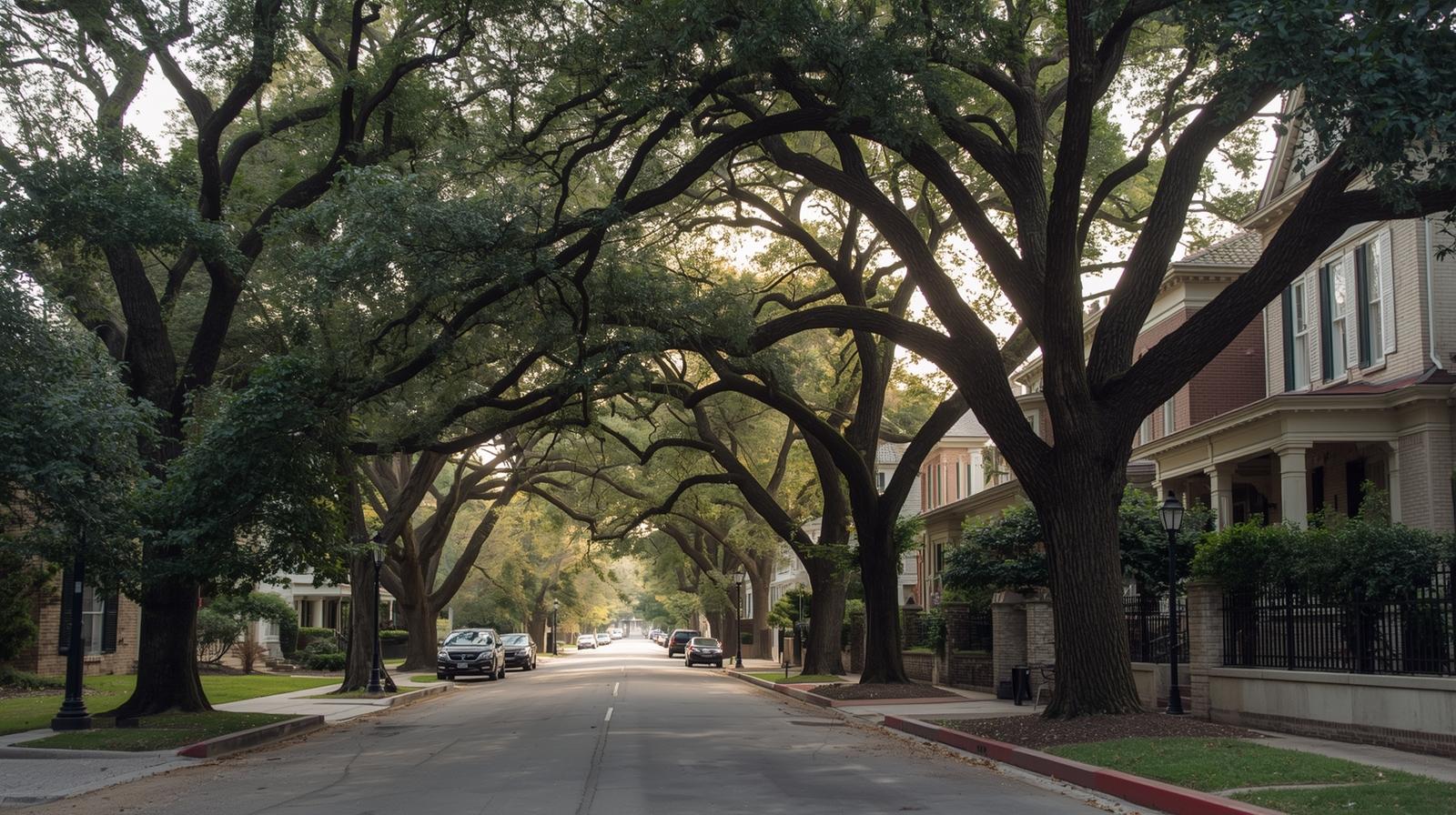
Alamo Heights
The most urban-adjacent, walkable community in San Antonio. Its own small city with its own school district, a genuinely walkable main street on Broadway, restaurants, coffee shops, and a character that feels more like a real neighborhood than a suburb. For New Yorkers who want some version of the neighborhood energy they’re leaving, Alamo Heights is the closest San Antonio offers. Premium pricing reflects the demand.

Boerne
Genuine town identity, a walkable downtown on Cibolo Creek, top-rated Boerne ISD schools, Hill Country setting, 30 to 40 minutes from San Antonio. Appeals specifically to New York families from smaller cities, college towns, or suburbs with strong town character who want that quality of place in their Texas destination.

Stone Oak
North San Antonio’s most established suburban area. Strong schools, immediate retail and dining access, polished community infrastructure. Suits New York families from Long Island, Westchester, or New Jersey who are comfortable with suburban living and want the full suburban package at San Antonio prices.

New Braunfels
Hill Country, river access, a genuine historic downtown, Comal ISD. For New York families who are specifically making this move to change their lifestyle — toward outdoor recreation, a slower pace, a real town — New Braunfels delivers that clearly.

Far West San Antonio
Active new construction, Northside ISD, strong value. Suits New York buyers whose priority is maximizing what their budget buys in terms of newer home and space, rather than town character or Hill Country proximity.
Families coming from Westchester, Long Island, or New Jersey suburbs often find Stone Oak, Boerne, or Schertz and Cibolo match the suburban character they’re used to while delivering the financial reset they’re looking for.
Not sure which of these fits your family’s specific situation?
The Suburb Match Quiz takes about three minutes and gives you a personalized recommendation.
New York families who want the most walkable and character-rich San Antonio experience tend to look at Alamo Heights. It’s a small independent city surrounded by San Antonio with its own distinct identity, walkable character, and top-ranked school district. It is the closest thing San Antonio has to a neighborhood that feels like a real place rather than a planned community.
The Free San Antonio Relocation Guide
If you want everything all in one place: suburbs, schools, cost of living, moving timeline, and the mistakes most families make, the free relocation guide covers it.
Moving From New York to San Antonio – Frequently Asked Questions
These are the most frequently asked questions that I get from families who are moving from New York, New Jersey and the East Coast area to San Antonio, Texas.
Is San Antonio a good place to move from New York?
For the financial picture, it is one of the most dramatic domestic relocations available. No state income tax, no city income tax, housing at a fraction of New York metro costs, and a lower cost of living across virtually every category. The lifestyle adjustment is also significant: car dependency, heat, and a very different pace and cultural identity. Families who make this move with info about both sides of it tend to be very satisfied.
How much cheaper is San Antonio than New York?
The gap is among the largest of any domestic relocation. New York metro housing is among the most expensive in the country. San Antonio’s top school district suburbs run a fraction of comparable New York suburban markets. The income tax picture is equally dramatic: New York state and city income taxes represent one of the highest combined burdens in the country. Texas has neither. The cost of living guide runs the specific numbers.
Do I need a car in San Antonio?
Yes. San Antonio does not have a practical subway or transit system for most suburban residents. You will drive everywhere: to work, to schools, to groceries, to activities. Distances are measured in highway miles. This is the most significant daily life adjustment for New York transplants and worth knowing about before you move.
What are the best San Antonio suburbs for New York families?
New York families seeking walkable character often gravitate toward Alamo Heights for its distinct neighborhood identity and top-ranked school district. Those coming from suburban Westchester or Long Island often find Stone Oak or Boerne closest to the suburban character they’re used to. The suburb quiz helps match your specific priorities to the right area.
Is San Antonio safe?
Like any large city, safety varies by neighborhood. San Antonio’s suburban communities: Stone Oak, Boerne, Helotes, Schertz, Alamo Ranch, tend to have low crime rates that compare favorably with suburban markets anywhere in the country. The areas most relevant to relocating families are generally safe and family-oriented. Researching specific neighborhoods rather than relying on city-wide statistics gives a much more accurate picture.
More San Antonio Relocation Guides
Wherever you’re moving from, the starting point is the same — understanding which part of San Antonio fits your family before you start searching.
San Antonio Relocation Hub · Moving from California · Moving from Austin · Moving from Dallas
Moving from Colorado · Moving from Houston · Moving from the Pacific Northwest · Moving from New York · San Antonio vs. Austin
Ready to Make the Move from New York to San Antonio?
New York to San Antonio is one of the most significant relocations on paper, and one of the most rewarding ones in practice for families who make it with a clear plan. The financial change is dramatic. The lifestyle adjustment is real. Getting both of those conversations right before you start searching makes everything easier.
I’ve helped families relocate from New York City, Westchester, Long Island, and New Jersey. I grew up just outside San Antonio in Seguin and have lived here for 20+ years.
Schedule a Free Relocation Call
📞 210.236.2393 · ✉️ tammy@livinginsatx.com
Explore more: Moving to San Antonio · San Antonio Cost of Living · Alamo Heights, TX · Stone Oak · San Antonio Property Taxes · Where to Live in San Antonio
Tammy Dominguez | San Antonio Realtor® & Relocation Specialist | License #684278 | Realty United, LLC