Living in Alamo Ranch | San Antonio, Texas
Alamo Ranch is one of the most-searched community names on San Antonio’s northwest side. The name technically refers to a specific master-planned community, but most people use it to describe a broader corridor along Culebra Road outside Loop 1604, stretching between Wiseman Road and the Galm and Shaenfield area. If you’re relocating and searching “Alamo Ranch homes,” you’re probably looking at this entire Far West corridor. You’ll find newer construction, Northside ISD schools, strong Lackland access, and some of the best value for square footage in the San Antonio market. This guide covers all of it.
→ New to the area? Start with the San Antonio Relocation Guide
Alamo Ranch at a Glance
| Location | Northwest San Antonio — along Culebra Road outside Loop 1604, between Wiseman Road and the Galm/Shaenfield corridor; within San Antonio city limits |
| What “Alamo Ranch” Actually Means | Alamo Ranch is technically a master-planned community, but the name is used colloquially for the entire northwest Culebra corridor — including Kallison Ranch, Stillwater Ranch, Valley Ranch, and many surrounding subdivisions |
| County | Bexar County (City of San Antonio) |
| School District | Northside ISD (NISD) — one of the largest and most established districts in Texas; high school zoning varies by address (Harlan or Taft) |
| Typical Home Price Range | $200s–$550s for most of the corridor; some newer and larger builds reaching $600K+ |
| Home Styles | Predominantly newer production construction (2000s–present); master-planned subdivisions; some semi-custom; minimal older inventory |
| Lot Sizes | Typically standard suburban lots — smaller than Helotes or Bulverde but larger than many inner-city neighborhoods |
| Commute to JBSA-Lackland | 20–30 min — one of the best Lackland commute locations in the metro outside of on-base housing |
| Commute to Medical Center | 20–30 min |
| Commute to Downtown SA | 30–45 min depending on neighborhood and time of day |
| Commute to JBSA-Fort Sam | 40–55 min |
| Commute to Helotes / NW SA | 15–25 min via Loop 1604 |
| Vibe | Active, family-oriented, busy suburban — high amenity density, lots of young families, community energy |
| New Construction | Active throughout the corridor — ongoing development in multiple communities along Culebra and surrounding roads |
| Public Transit | None — fully car dependent |
| Nearest Airport | San Antonio International, ~30–40 min |
Understanding The Alamo Ranch Area
This section matters more for this page than any other in this guide, so let’s talk about it.
When most people search “Alamo Ranch” they’re thinking of a general area, not a specific neighborhood. It can create confusion when you start looking at homes and realize the name appears across multiple subdivisions, zip codes, and school assignments along the northwest Culebra corridor.
Here’s the geography: the Alamo Ranch master-planned community sits along Culebra Road outside Loop 1604. The broader area people call “Alamo Ranch” extends from roughly Wiseman Road in the north down through the Galm Road and Shaenfield Road area to the south and east. It’s a stretch of northwest San Antonio that’s developed steadily over the last 20 years and now includes dozens of distinct subdivisions all feeding into the same general lifestyle corridor.
So when a family says “we’re looking in Alamo Ranch,” they usually mean this entire corridor: Kallison Ranch, Stillwater Ranch, Valley Ranch, Westwinds, Tausch Farms, Trails at Culebra, and many others alongside the master-planned Alamo Ranch community itself. They all share similar infrastructure, the same general commute profile, Northside ISD schools, and the same northwest SA lifestyle. The differences between them are finishes, amenities, specific school campus assignments, and price point.
This guide covers the full corridor the way buyers actually search it.
What It’s Actually Like to Live in Alamo Ranch
The energy in this part of San Antonio is unmistakably family-oriented. On any given weekend afternoon you’ll see youth soccer leagues going on multiple fields simultaneously, neighborhood pools busy from May through September, and a steady flow of families running errands along the Culebra corridor. This is not a quiet, tucked-away enclave. It’s a high-activity suburban community that runs at full speed and makes no apologies for it — and for families relocating from similar environments up north, it often feels immediately familiar and comfortable.
The value proposition is genuinely strong. You get more house for your money here than in most comparable suburban areas in San Antonio. Newer construction, modern layouts, energy-efficient systems, and community amenities come standard at price points that would buy you significantly less in Stone Oak, Helotes, or certainly Boerne. For families where square footage and newer finishes matter, the Alamo Ranch corridor consistently delivers.
The Lackland access is worth calling out specifically because it’s one of the best in the metro. Most of the Culebra corridor puts Lackland’s main gate within 20–30 minutes — no navigating through the middle of San Antonio, no heavy interstate traffic, relatively predictable routing. For military families assigned to Lackland, this area competes seriously with neighborhoods much closer to the base in terms of actual drive time.
What to Know Before You Commit to Alamo Ranch
Traffic along Culebra Road and the Loop 1604 interchange is real and getting heavier as the corridor grows. Morning rush heading east toward the Medical Center or downtown backs up predictably, and the 1604/Culebra area sees congestion during both peak commute windows. If you’re commuting daily toward the northeast or east side of San Antonio, plan for it. The commutes that work best from here point toward Lackland, the Medical Center, and the western/northwestern employment corridors.
The corridor still has active construction in multiple sections, which means new neighbors, ongoing infrastructure improvements, and the occasional street closure. For most families this is background noise. For buyers who want a settled, fully built-out neighborhood where nothing is changing, this area will feel too in-progress.
No walkable town center or Main Street. The dining and retail along Culebra has improved meaningfully and is genuinely convenient for everyday needs — HEB, restaurants, coffee, urgent care, all accessible — but it’s strip-center suburban, not a charming local scene. Families who want that kind of community character should look at Helotes or Boerne. Families who want practical, close-in convenience are well-served here.
Who Alamo Ranch Is Right For (And Who It Isn’t)
Alamo Ranch tends to be a great fit if:
- You’re assigned to JBSA-Lackland — this is one of the top two or three off-base locations for Lackland families in the entire metro
- Newer construction at accessible prices is a priority and you want real inventory to choose from
- You’re relocating from a dense northeastern or midwestern suburb and want something familiar in feel and function
- Square footage per dollar matters — you’ll get more here than in most comparable San Antonio areas
- Northside ISD is on your school district shortlist
- The Medical Center is your primary employer — the commute from here is solid
- You want built-in community energy and neighborhood amenities immediately, not in three years when development catches up
Alamo Ranch might not be the right fit if:
- Hill Country scenery, larger lots, or any rural feel matters to your lifestyle — this is dense suburban development
- You want a walkable town center, local restaurant scene, or neighborhood character — look at Helotes or Boerne
- You’re commuting daily to Fort Sam, Randolph, or the northeast side of SA — the drive from here crosses through or around the city and adds significant time
- Traffic and construction activity would affect your quality of life — the Culebra corridor is busy and growing
- Quiet and lower density are priorities — this area has the energy of a high-growth family suburb
What Different Budgets Get You In Alamo Ranch
The Alamo Ranch corridor has one of the widest accessible price ranges in this guide. From entry-level homes in the $200s to larger newer builds well into the $600s. Here’s what different budgets actually get you:
$200K–$300K: Entry level for the corridor, primarily in older sections of the area or smaller production homes. You’ll find 3-bedroom homes in the 1,200–1,700 sq ft range, older construction from the early 2000s, and some opportunities in communities like Hills of Shaenfield and Westpointe. Competitive and moves fast when priced right.
$300K–$400K: The heart of the accessible market. Solid 3–4 bedroom homes, 1,700–2,400 sq ft, in well-maintained communities like Kallison Ranch, Trails at Culebra, and established sections of Alamo Ranch. Good school zoning, community amenities, and manageable HOA fees. This is where most first-time buyers and PCS families on BAH land.
$400K–$500K: More square footage, better finishes, newer construction. You’re accessing the upper sections of established communities and newer phases of active developments. Expect 2,400–3,200 sq ft with modern layouts, open floor plans, and community features. Stillwater Ranch and Valley Ranch offer good options in this range.
$500K–$650K: Larger homes, premium lots within the community, semi-custom finishes, and some of the newer construction at the top of the Alamo Ranch master-plan and adjacent communities. Homes in the 3,000–4,000 sq ft range start appearing here. Strong resale fundamentals at this level.
$650K+: Less common in the core corridor but exists in larger custom builds and newer luxury phases. Buyers at this budget often compare Alamo Ranch to Helotes or Boerne and make a choice between urban convenience and Hill Country character.
Many Alamo Ranch corridor communities sit within Municipal Utility Districts or Public Improvement Districts that add a layer to the effective property tax rate. The San Antonio property tax guide explains exactly how MUD and PID districts work and how to find the real rate for any specific property.
Schools in Alamo Ranch
Northside ISD is the universal constant across the Alamo Ranch corridor. Every community in this guide falls within NISD boundaries, which provides a helpful level of consistency for relocating families. NISD is one of the largest school districts in Texas and has a strong systemwide reputation with well-established campuses, diverse programs, and consistent academic performance.
The thing that matters here is high school zoning. Most of the Culebra corridor is split between Harlan High School, Sotomayor High School, or Taft High School. All are solid NISD campuses with their own athletic programs and academic offerings, but distinct communities. Which one your kids attend depends on your specific address within the corridor, not your neighborhood name. I verify high school zoning for every client I work with in this area because two streets apart can mean different campuses, and that affects both daily logistics and long-term resale in ways worth understanding before you buy.
For buyers comparing Alamo Ranch to other Northside ISD communities, Helotes offers more established Hill Country character at a higher price point, while Leon Valley offers similar school district access closer to the city at a lower price point.
Because zoning can vary by street and phase, school assignments should always be verified before purchasing.
Popular Neighborhoods in Alamo Ranch
Alamo Ranch isn’t a single neighborhood – it’s a large, master-planned area made up of several distinct communities that buyers often group together when searching on the northwest side of San Antonio. These four neighborhoods represent the most commonly searched, toured, and cross-shopped areas within and immediately connected to Alamo Ranch.

Alamo Ranch (the master-planned community)
The original and namesake community — what people picture when they say “Alamo Ranch.” Established streets, mature(ish) landscaping for a newer suburb, neighborhood pools, parks, and the kind of built-in community feel that comes with a well-run master-plan. Homes here span multiple phases from early 2000s through more recent construction, which means you’ll find variation in style, finishes, and price. The core Alamo Ranch community has the most name recognition in this corridor and consistently sees strong resale demand. Prices typically run $350K–$600K depending on size and condition.
Kallison Ranch
One of the more active newer communities along the Culebra corridor, Kallison Ranch has the modern layouts and fresh construction that buyers coming from newer suburban markets tend to gravitate toward. It’s a popular choice for families who want move-in ready without paying the Alamo Ranch premium for a more established address. Good community amenities, Northside ISD zoning, and prices generally in the $300K–$500K range. For buyers who want new-ish construction and community feel at an accessible price, Kallison Ranch comes up consistently.
Stillwater Ranch
Stillwater Ranch has a strong community identity — well-maintained, active HOA, good amenities, and a layout that encourages the neighborhood interaction that some master-plans achieve better than others. It’s frequently cross-shopped with Alamo Ranch proper because the lifestyle and school access are comparable. Prices are similar, and many buyers touring one end up touring the other. Worth including in your search if you’re focused on this corridor.
Valley Ranch
Valley Ranch is one of the larger communities in the northwest corridor and has developed into a well-established neighborhood with good bones — walking trails, community amenities, steady resale activity, and a range of home sizes that accommodates different budgets. It tends to be slightly more affordable than Alamo Ranch proper for comparable square footage, which makes it a practical choice for buyers watching their numbers carefully. Strong family energy and good Northside ISD zoning.
The Broader Corridor (Tausch Farms, Trails at Culebra, Westwinds, and others)
Beyond the four primary communities above, the Culebra corridor includes dozens of smaller subdivisions that all function within the same lifestyle and school infrastructure. Communities like Tausch Farms, Trails at Culebra, Westwinds, Cross Creek, and Laura Heights don’t carry the same name recognition as Alamo Ranch but offer the same school access, similar commute profiles, and often better value per square foot precisely because they fly under the radar. When inventory is tight in the major communities, these are the areas worth exploring — and often where sharp buyers find the best deals in the corridor.
Alamo Ranch Compared to Nearby Suburbs
When buyers are deciding where to live on the west side of San Antonio, Alamo Ranch is almost always part of the conversation – but it’s rarely the only option they’re considering.
Nearby suburbs and master-planned communities can offer similar price points, schools, and amenities, yet feel very different day-to-day.
This quick comparison helps relocating buyers understand how Alamo Ranch stacks up against neighboring areas, so you can narrow in on what actually fits your lifestyle, commute, and long-term plans.
Alamo Ranch vs. Helotes
Both are northwest SA options under Northside ISD, which means the school district comparison is largely a wash. The real difference is character and density. Helotes has larger lots, mature trees, a quieter pace, and that edge-of-Hill-Country feel that Alamo Ranch simply doesn’t have. Alamo Ranch has more retail and amenity density, more new construction inventory, and a more active community energy. Helotes generally runs slightly higher per square foot in comparable home categories. Families who want more space and quiet land in Helotes; families who want more amenities and lower entry price land in Alamo Ranch. Most buyers who’ve done their research know which one they are pretty quickly.
Alamo Ranch vs. Stone Oak
Stone Oak is more centrally located, more established, and carries more name recognition — and prices reflect that. Stone Oak runs higher per square foot and has older inventory with less new construction. Alamo Ranch offers newer builds, more square footage per dollar, and better Lackland access. Stone Oak wins on centrality and NEISD school prestige; Alamo Ranch wins on value and military commute. Buyers commuting to the Medical Center or north SA employers often find Stone Oak’s location worth the premium. Buyers at Lackland or prioritizing new construction usually prefer Alamo Ranch.
Alamo Ranch vs. Bulverde
Fundamentally different buyer profiles. Bulverde is for buyers who want space, acreage potential, and a quieter lifestyle at the cost of longer commutes and less immediate retail. Alamo Ranch is for buyers who want more amenities, shorter commutes to Lackland and the Medical Center, and denser community infrastructure at accessible prices. Both have active new construction. The choice usually comes down to whether you want more space (Bulverde) or more convenience (Alamo Ranch), and most buyers who visit both have a clear reaction to each.
Alamo Ranch is the most established community in far west San Antonio — but it’s one part of a much larger corridor. The Far West San Antonio hub covers the full picture of this growth area including Westover Hills, the Potranco corridor, Culebra Road, and more.
Getting Around Alamo Ranch + Daily Commutes
Commute to JBSA-Lackland
Most homes in the Culebra corridor are 20–30 minutes from Lackland’s main gate via Military Drive or direct southwest routing. For military families assigned to Lackland, the northwest Culebra corridor consistently ranks among the best off-base options in the metro. The combination of Lackland access, Northside ISD schools, and newer construction at accessible prices is the core value proposition of this area for military buyers.
The PCS to Lackland AFB guide covers the full northwest corridor commute picture including Alamo Ranch, Westover Hills, and the broader far west options with gate-to-neighborhood commute times.
Commute to the Medical Center
About 20–30 minutes northeast via Loop 1604 and US-90 or Culebra Road. This is a manageable daily commute for most Medical Center employees and is one of the reasons the corridor attracts healthcare workers alongside military families.
Commute to Downtown SA
30–45 minutes depending on specific neighborhood and time of day. The routing from Culebra into downtown crosses through several traffic-heavy intersections, so peak hour timing matters. Plan for the 40–45 minute end during morning rush.
Commute to JBSA-Fort Sam Houston
40–55 minutes heading northeast. This is where the northwest location shows its limits. Fort Sam is on the opposite side of the city, and the commute from Alamo Ranch to Fort Sam crosses multiple congestion points. Families at Fort Sam are better served by northeast corridor communities like Schertz and Cibolo.
Local Traffic
Culebra Road and the Loop 1604 interchange are the primary congestion points. Morning rush heading toward the Medical Center and downtown, evening rush returning, and weekend traffic around the retail corridor along Culebra are all predictable patterns locals learn quickly. The growth of the area means this will continue to intensify over the next several years.
Pros & Cons of Living in the Alamo Ranch Area
Why Buyers Love Alamo Ranch
-
Newer homes with modern layouts and energy efficiency
-
Family-friendly neighborhoods with pools, parks, and trails
-
Strong value compared to other San Antonio suburbs
-
Easy access to shopping, dining, and everyday services
-
Large selection of homes and communities to choose from
Things to Consider About Alamo Ranch
-
Traffic congestion during rush hours
-
Ongoing construction in developing sections
-
Less “small-town” feel compared to Hill Country suburbs
-
Limited public transportation (very car-dependent)
Things to Do Around Alamo Ranch
Life in Alamo Ranch centers on convenience and everyday accessibility rather than destination entertainment.

Everyday Dining + Shopping
The Culebra corridor has developed into one of the more convenient everyday retail strips in northwest San Antonio. HEB anchors the grocery situation, and there’s a solid mix of casual dining, coffee shops, urgent care, fitness studios, and the kind of practical retail that makes suburban life run smoothly. It’s not a destination dining scene, but it handles weeknight dinner, Saturday morning coffee, and a last-minute Target run without requiring a drive to another part of the city. For a broader restaurant selection, Helotes is 15–20 minutes north and the Bandera Road corridor adds more options.

Outdoor Space + Parks
Community amenities throughout the corridor — pools, parks, walking trails, playgrounds — are among the strongest arguments for this area’s family appeal. The neighborhoods themselves are designed around outdoor use in a way that makes staying active easy without planning a whole outing. SeaWorld San Antonio is less than 20 minutes away and functions as a genuine family amenity for residents who buy annual passes — it’s close enough to be a regular weekend option rather than a special trip. Medina Lake and surrounding Hill Country areas are 30–45 minutes west for families who want more natural outdoor access on weekends.

Easy Access to San Antonio
The 1604/Culebra position means you’re well-connected without being in the middle of the city. Lackland is southwest, the Medical Center is northeast, downtown is accessible via multiple routes, and Helotes and the northwest Hill Country corridor are a short drive north. For families who want to actually use San Antonio on weekends — River Walk, the missions, Spurs games, Pearl dining — the access from here is genuinely workable in a way it isn’t from far-out suburbs like Bulverde or New Braunfels.
Frequently Asked Questions About Alamo Ranch
Is Alamo Ranch a good place to live in San Antonio?
Alamo Ranch and the northwest Culebra corridor is one of the strongest value propositions in the San Antonio metro for families who want newer construction, strong Northside ISD schools, and Lackland AFB access at accessible prices. The trade-offs are density, standard suburban lot sizes, and a busy residential energy that suits some families well and feels too active for others.
What school district is Alamo Ranch in?
Alamo Ranch and the surrounding Culebra corridor are served by Northside ISD, the largest school district in San Antonio. High school zoning within the corridor varies by address. Some neighborhoods feed Harlan High School, others feed Sotomayor or Taft. Always verify the specific campus assignment for any home you are considering.
How far is Alamo Ranch from Lackland AFB?
Most of the Alamo Ranch corridor sits 20 to 30 minutes from Lackland’s main gates under normal conditions. This makes it one of the best off-base locations for Lackland families in the metro. It’s close enough for a practical daily commute without being in the immediately surrounding neighborhoods.
Is Alamo Ranch considered safe?
The Alamo Ranch corridor and surrounding northwest SA communities have low crime rates and are consistently considered family-friendly. They are among the more desirable suburban areas in the metro for relocating families precisely because of the combination of safety, school quality, and community infrastructure.
What is the difference between Alamo Ranch and the surrounding communities?
Alamo Ranch is technically a specific master-planned community along Culebra Road, but the name is used locally for the entire northwest Culebra corridor including Kallison Ranch, Stillwater Ranch, Valley Ranch, and many other subdivisions. They share similar school district access, commute profiles, and community character. The differences are finishes, specific school campus assignments, HOA amenities, and price point rather than different communities.
Explore Homes for Sale in Alamo Ranch
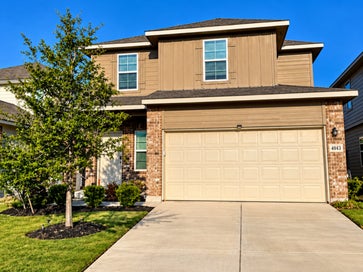
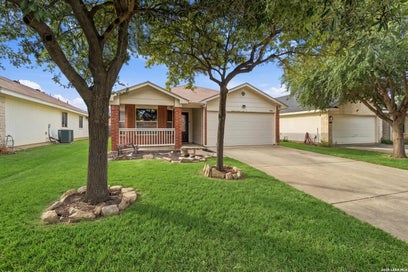
The Alamo Ranch corridor has some of the most consistent inventory in the San Antonio metro — there’s almost always something available across a wide price range, which makes it a useful market to understand even if you’re still early in your search. The listings below pull from the full Culebra corridor including Alamo Ranch proper, Kallison Ranch, Stillwater Ranch, Valley Ranch, and surrounding communities — so you’ll see real variety in age, finishes, and community feel. Pay attention to which neighborhoods the listings are in and what the school zoning says, because those details matter for daily life in ways that price and square footage alone don’t capture.





Still comparing northwest SA options?
These guides can help you think through the full picture:
Also comparing nearby areas?
The broader far west San Antonio corridor guide covers the full geography including the 1604/Potranco area and Westover Hills.These are worth understanding before you narrow to a specific subdivision in this corridor.
Ready to Find Your Home in the Alamo Ranch Corridor?
The northwest Culebra corridor has more going on than most out-of-state buyers realize from online research. You’ll find different subdivisions, different school campus assignments, different HOA structures, and active new construction happening alongside established resale inventory. Sorting through it before you start touring saves time.
I live on the far west side near the Potranco corridor and know this part of San Antonio from the inside. I grew up just outside San Antonio in Seguin and have helped families relocate here from across the country.
Schedule a Free Relocation Call
📞 210.236.2393 · ✉️ tammy@livinginsatx.com
Explore more: Far West San Antonio · PCS to Lackland AFB · Helotes, TX · San Antonio Property Taxes · San Antonio Suburbs · Where to Live in San Antonio
Tammy Dominguez | San Antonio Realtor® & Relocation Specialist | License #684278 | Realty United, LLC