Back to: San Antonio Relocation Hub
Where to Live in San Antonio, Texas | A Complete Guide to Every Part of the City
San Antonio is one of the largest cities in the United States by land area. Choosing where to live here is not a simple question with a single right answer. This guide covers every part of the city and surrounding area: what each one looks and feels like, who it suits, and how to figure out which one fits your life before you spend weeks researching the wrong neighborhoods.
Part of the San Antonio Relocation Hub
Take the Suburb Match Quiz for a personalized recommendation
What Makes San Antonio Different From Most American Cities
Before diving into specific communities, there are a few things about San Antonio’s geography and layout that shape everything about choosing where to live here. Most people arriving from other parts of the country encounter these realities and wish someone had explained them upfront.
San Antonio Grows Outward, Not Upward
San Antonio is the seventh largest city in the United States by population. It doesn’t at all look like it though. Unlike cities that grew vertically into dense urban cores, San Antonio spread outward across the Texas landscape as it expanded. The result is a city that covers over 460 square miles (it’s one of the largest footprints of any American city) with a suburban character that extends for miles in every direction from the downtown center.
What this means for someone choosing where to live: the city is large in a way that has daily consequences. A community that looks like it is close to your workplace on a map might be 40 minutes away during a morning commute. Two neighborhoods that appear to be neighbors on a city overview can feel like completely different cities in terms of character, amenities, and daily life.
Map Distance and Commute Time Are Not the Same Thing
This is the single most important thing for anyone relocating to San Antonio to understand before they start researching specific areas.
Fifteen miles on a San Antonio map does not equal a 20-minute commute. During peak morning hours (roughly 7 to 9am) and peak evening hours (4:30 to 6:30pm) the major corridors in and out of the city experience significant congestion. The I-10 west corridor from Boerne, the US-281 north corridor from Bulverde, the I-35 corridor from New Braunfels, and Loop 1604 in multiple directions all carry heavy commuter traffic. A drive that takes 25 minutes on a Saturday afternoon can take 50 minutes on a Tuesday morning.
Before committing to any San Antonio area community, drive your specific route from that specific neighborhood to your specific workplace at actual commute hours on a weekday. That single exercise eliminates more bad decisions than any amount of online research.
San Antonio’s Highway System Is Designed Differently
Relocating families who drive San Antonio’s highway system for the first time often remark on how different it feels from most American cities. San Antonio has an extensive network of access roads running parallel to its major highways, flyover passes at major interchanges, turnarounds that allow U-turns without entering the highway, and in some areas HOV lanes during peak hours.
This system was designed specifically to keep traffic moving even during congested periods, not by reducing volume but by distributing it more efficiently across the highway and its parallel access road. During heavy congestion, the access road is often a viable alternative to sitting on the main lanes. Locals learn this quickly and it changes how the city feels to navigate daily. What looks like a congested highway on a traffic app is sometimes bypassed entirely by drivers who know the access road network.
It takes a few months of living here to fully learn the system. Once you do, the city becomes significantly more navigable than it appeared on arrival.
Each Corridor Has Its Own Commercial Hub
San Antonio’s huge growth pattern did create something useful: each major residential corridor developed its own commercial infrastructure as the population spread outward. The far west side has its own Target, movie theaters, major grocery stores, restaurants, and retail. The northeast corridor has its own. North San Antonio has its own. The Hill Country towns have their own.
The result is that most San Antonio residents can meet nearly all of their daily and weekly needs within 15 to 20 minutes of home without ever driving into the city’s central areas. A family living in Alamo Ranch does not need to drive to Stone Oak for a major grocery run. A family in Schertz does not need to cross the city for a Target run or a sit-down dinner. Each corridor is largely self-sufficient for everyday life.
This matters when choosing where to live because it means the trade-off between living further out and having access to amenities is smaller than it appears. The far west side, the northeast corridor, and the Hill Country suburbs all have the commercial infrastructure to support daily life without long drives.
The Landscape Changes Dramatically Across the City
This surprises most people who have only seen San Antonio from the air or on a map. The visual character of the city’s different areas is not uniform. It shifts significantly from one side of the city to another.
The northwest and Hill Country edge of the city transitions into cedar and live oak covered limestone hills with dramatic terrain changes, scenic views, and the character of rural Texas Hill Country. The northeast and east sides of the city open into flatter, more agricultural terrain. The south side is flat and industrial in parts. The urban core has the River Walk, historic architecture, and the Pearl District’s urban renovation. The far west side is active suburban development on relatively flat land with the Hill Country visible in the distance.
Someone who visits Boerne and falls in love with the Hill Country terrain will have a different experience looking at homes in Schertz or the far southeast. Both are San Antonio area communities. They look and feel nothing alike. Understanding which landscape suits your lifestyle and your daily visual experience is a real and underrated consideration.
How to Use This Guide to Find Where You Belong in San Antonio
The communities below are organized by character and geographic corridor rather than by a ranked list. A ranking implies one community is better than another. That is not how San Antonio works. The right community is the one that matches your specific combination of commute, schools, lifestyle, budget, and landscape preference.
Start by identifying your primary commute destination and your school district priorities. Those two factors eliminate the majority of wrong answers immediately. Then use the character descriptions below to identify which remaining options match how you want to live.
The Suburb Match Quiz takes about three minutes and does this filtering work for you based on your answers. The individual community guides linked throughout this page go deep on each area’s schools, commute, price ranges, and trade-offs.
The Hill Country Corridor | Northwest and North of San Antonio
The Hill Country corridor is the most consistently searched part of the San Antonio area for relocating families, particularly those coming from California, Colorado, and the Pacific Northwest. The combination of scenic terrain, top-rated school districts, and genuine small-town character in some communities creates a profile that no other part of the city matches.
The trade-off is commute. Every community in this corridor sits 25 to 55 minutes from most San Antonio employment destinations depending on traffic, and the peak-hour congestion on I-10 west and US-281 north is real. The families who thrive here typically have made a decision that the lifestyle is worth the drive. The families who struggle underestimated what the commute means on a daily basis.
For the full commute picture by community, see the Hill Country Commuter Towns guide. For a direct comparison of the two most popular communities in this corridor, see Boerne vs New Braunfels.
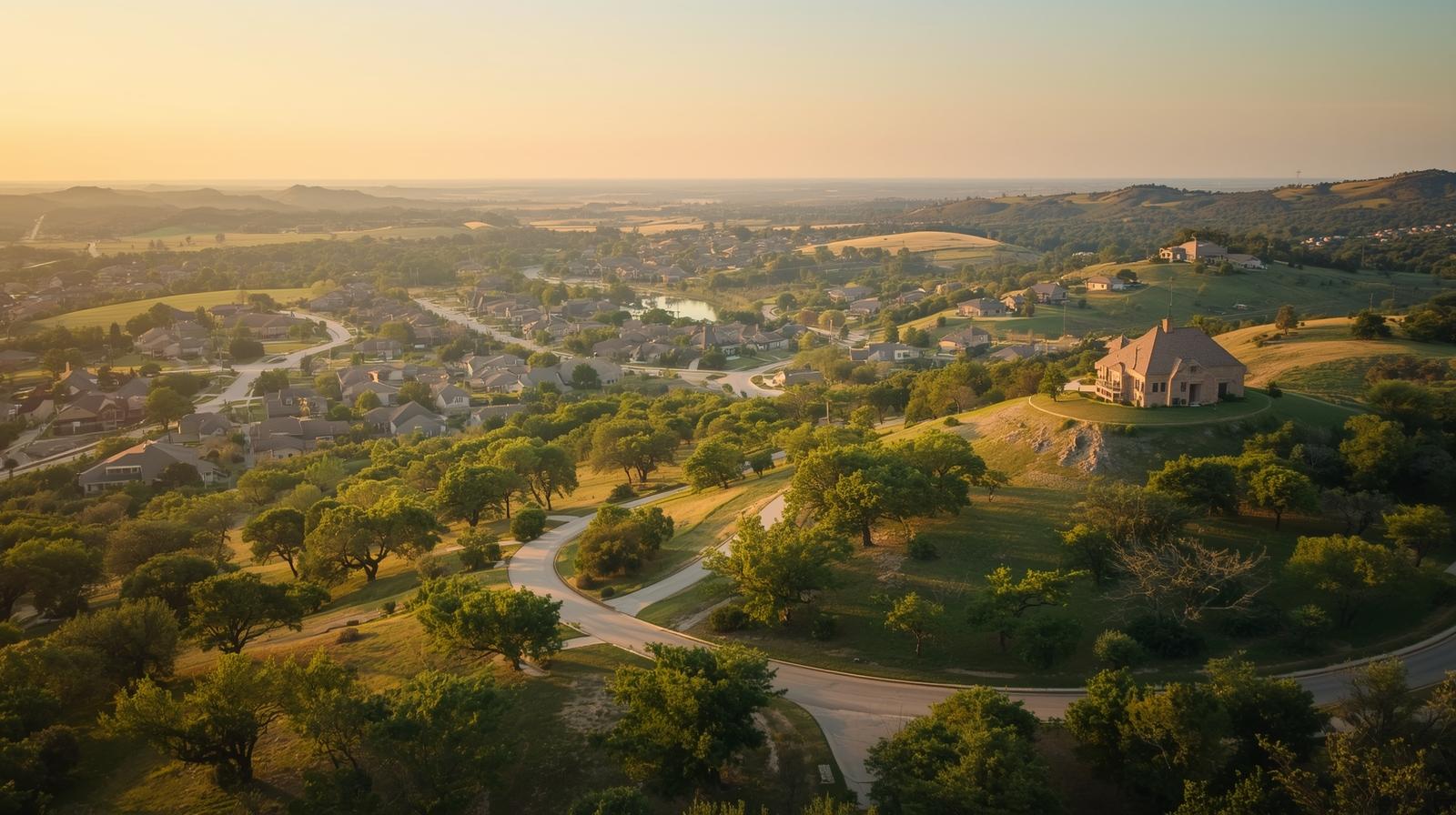
Helotes – Closest Hill Country Feel to the City
Northside ISD, established neighborhoods, mature trees, and a genuine Hill Country adjacent character at the shortest possible commute from the northwest. The community that suits buyers who want the direction without the full distance commitment.

Boerne – The Hill Country Community Families Ask About First
Real walkable downtown, Boerne ISD consistently among Texas’s top-ranked districts, Hill Country terrain, and a town character that feels established rather than manufactured. 30 to 40 minutes from San Antonio via I-10. The premium option in this corridor with pricing to reflect it.
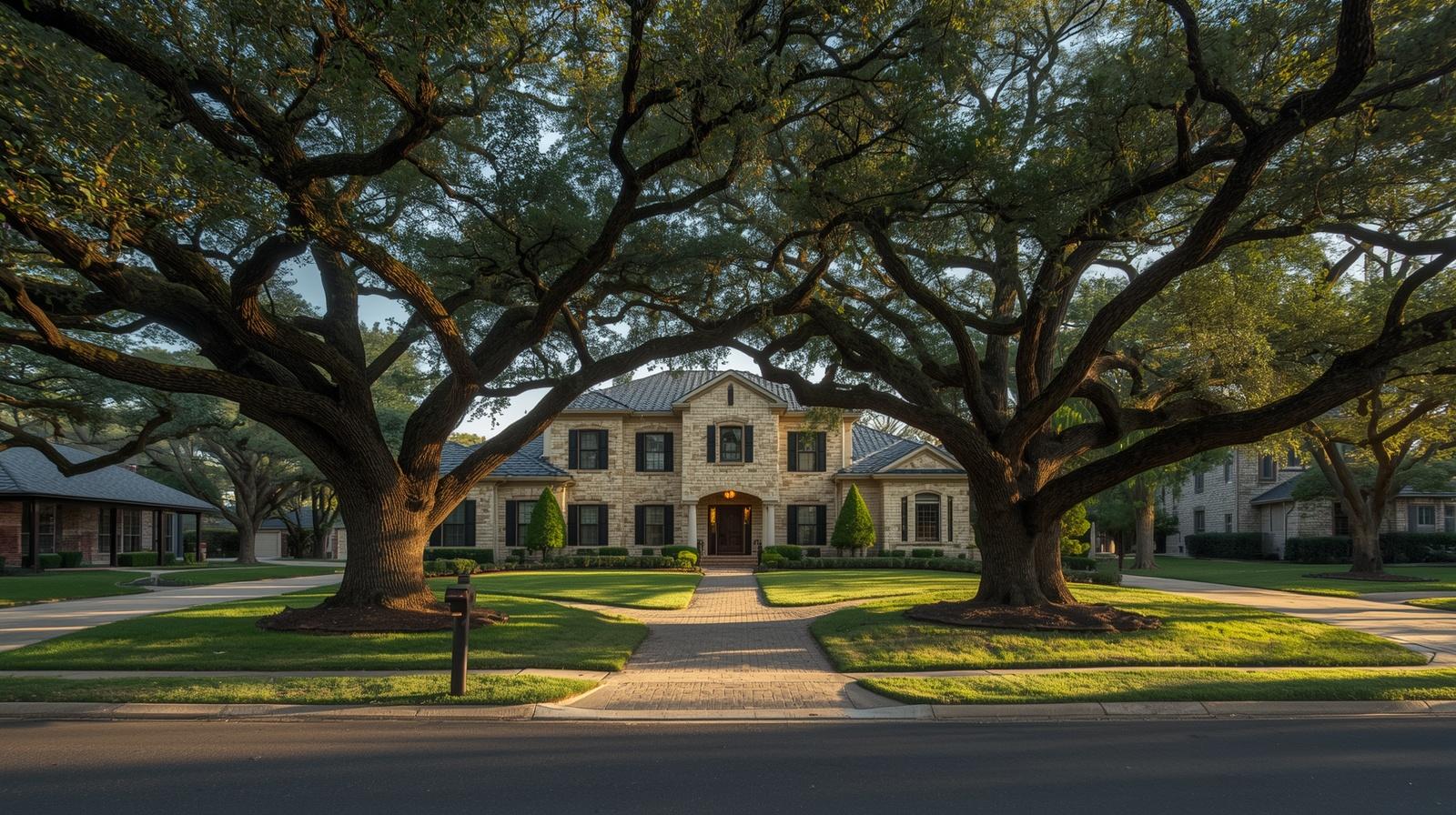
Fair Oaks Ranch – Boerne ISD With More Land
Incorporated city on the TX-46 corridor between Boerne and Helotes. Boerne ISD, larger lots, custom and semi-custom homes, country club community. Suits buyers who want the school district and more privacy than Boerne’s production communities offer.

Bulverde – More Space Per Dollar, Comal ISD, Semi-Rural Character
Active new construction on larger lots, Comal ISD, a semi-rural feel north of the city on US-281. More space per dollar than Boerne with a quieter character. Best for remote workers or families with occasional rather than daily San Antonio commutes.

New Braunfels – River Lifestyle, Hill Country, Between Two Cities
Guadalupe and Comal river access built into daily life, genuine historic downtown, Comal ISD and New Braunfels ISD, and a position between San Antonio and Austin that suits buyers with dual-city connections. The most complete town experience in the Hill Country corridor.

Timberwood Park and Garden Ridge – Established Comal ISD Communities
Timberwood Park offers larger lots, mature trees, and Comal ISD north of Stone Oak on Highway 281. Garden Ridge offers quiet residential character and Comal ISD between San Antonio and New Braunfels. Both suit buyers who want Comal ISD at a lower price point than Boerne or New Braunfels.
North San Antonio | Established Suburban Quality and Strong Schools
North San Antonio is the area that most closely resembles what buyers from Dallas, Houston, and other major Texas metros picture when they think of a well-established San Antonio suburb. Polished retail immediately accessible, strong school districts, established neighborhoods with mature landscaping, and commute times that are longer to the west and southwest but manageable for north and central SA employment.

Stone Oak – Established North SA Suburban Quality
The most consistently searched north SA community for relocating families. Northeast ISD, immediate access to a full commercial corridor, established neighborhoods, and a reputation for quality that is well-earned. The north SA address that most buyers from comparable Texas metros find immediately familiar.

Shavano Park – Larger Lots, Northside ISD, Balanced Commute Access
Small independent city in north-central San Antonio. Northside ISD, larger lots than most north SA options, and a location that gives balanced commute access to Fort Sam Houston, USAA, the Medical Center, and downtown.
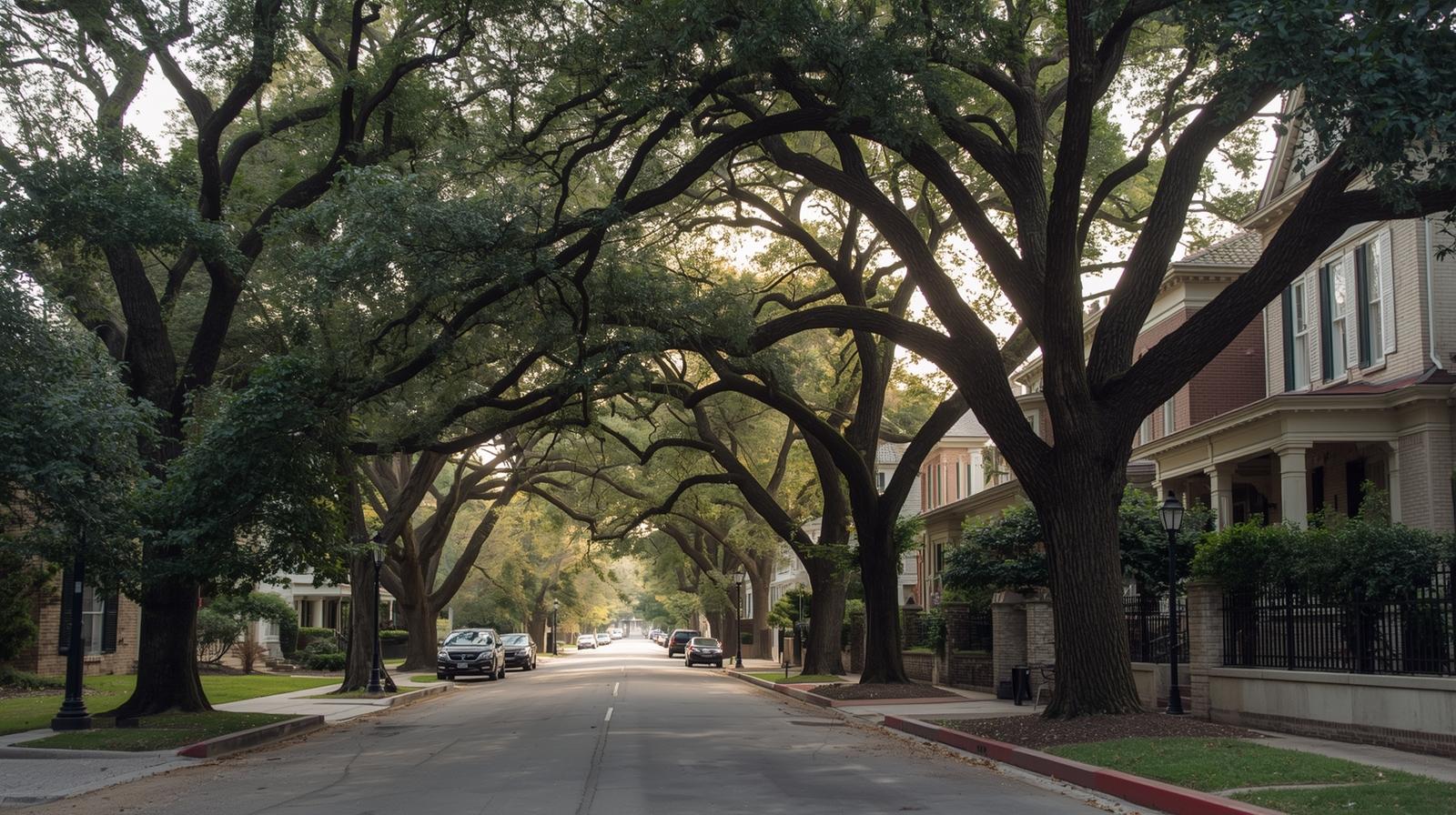
Alamo Heights – Walkable, Urban-Adjacent, Top-Rated Independent District
The most walkable community in the San Antonio area. Alamo Heights ISD is small, highly regarded, and serves a community with genuine neighborhood character, Broadway corridor walkability, and proximity to the city’s cultural core. Premium pricing reflects the demand.
Far West San Antonio | New Construction, Value, and Northside ISD
The far west side of San Antonio is where the city’s most active residential development has been concentrated for years. Multiple builders operate across various price points, community amenity infrastructure is well-developed, and Northside ISD serves the corridor. This is where buyers who want a newer home with modern features, a community pool, and suburban infrastructure at accessible prices consistently land.
The landscape here is active suburban development on relatively flat land with Hill Country visible in the distance. The commercial infrastructure is strong and constantly developing. The far west side has its own retail, dining, grocery, and services that meet daily needs without long drives. Lackland AFB access via Culebra Road and Highway 151 is among the most practical of any residential corridor in the metro.

Alamo Ranch – Far West San Antonio’s Established Hub
The most recognized community on the far west side. Northside ISD, active resale and some new construction, full community amenities, and a location that works well for Lackland families and USAA-corridor commuters.
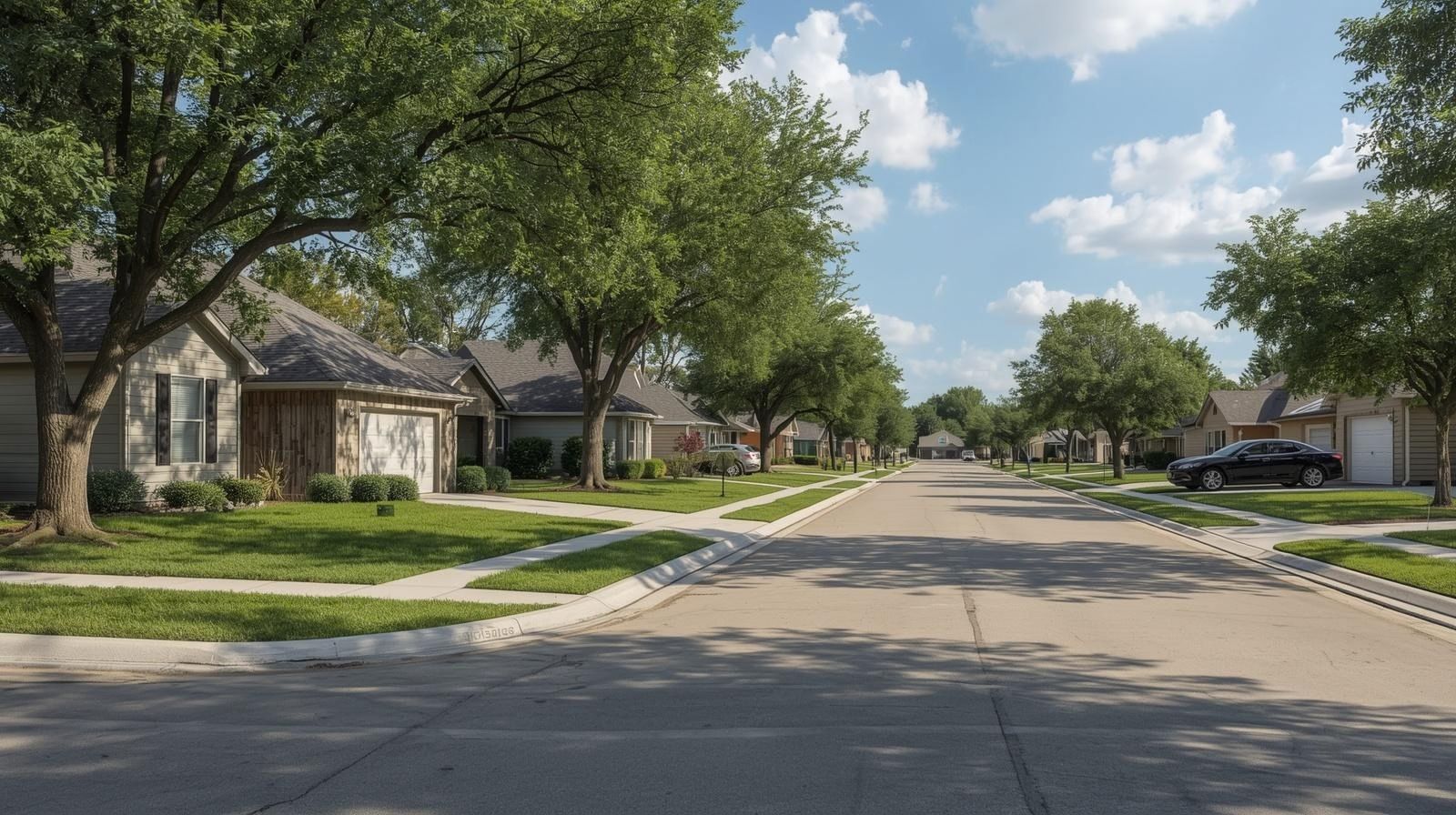
Westover Hills – Established Far West, Shorter Lackland Commute
One of the most established communities on the far west side with a shorter Lackland gate commute than most of the outer corridor. Northside ISD, more established resale character than the active new construction communities further west.

The Potranco and 1604 Corridor – Active Growth, Northside ISD, Far West Value
The active growth corridor along Loop 1604 and Potranco Road where much of the far west side’s new construction and development is concentrated. Multiple builder options, Northside ISD, and the commercial infrastructure of a rapidly developing suburban corridor. This is the corridor where I live, and I know it from the inside.
Leon Valley: Northwest Value, Inside Loop 1604
Not usually included in the Far West San Antonio, but worth knowing about due to proximity. Established independent city on the Bandera Road corridor inside Loop 1604. Northside ISD at the most accessible price point in the district. Shorter city commutes than the outer far west corridor.
For the full far west picture including the Potranco corridor, Westover Hills, Culebra Road, and new construction options, see the Far West San Antonio Hub.
Northeast San Antonio | Military Corridor, Strong Schools, Active Development
The northeast San Antonio corridor anchored by Schertz and Cibolo has been one of the fastest-growing parts of the metro for over a decade. SCUCISD schools, active new construction, proximity to JBSA Randolph and Fort Sam Houston, and I-35 access to both San Antonio and Austin make this corridor consistently popular with military families and relocating civilians alike.

Schertz and Cibolo – The Northeast Corridor’s Most Complete Option
SCUCISD schools, active master-planned community development, strong community infrastructure, and positioning that gives reasonable access to both Randolph AFB and Fort Sam Houston. The northeast corridor’s most consistently recommended community for families.
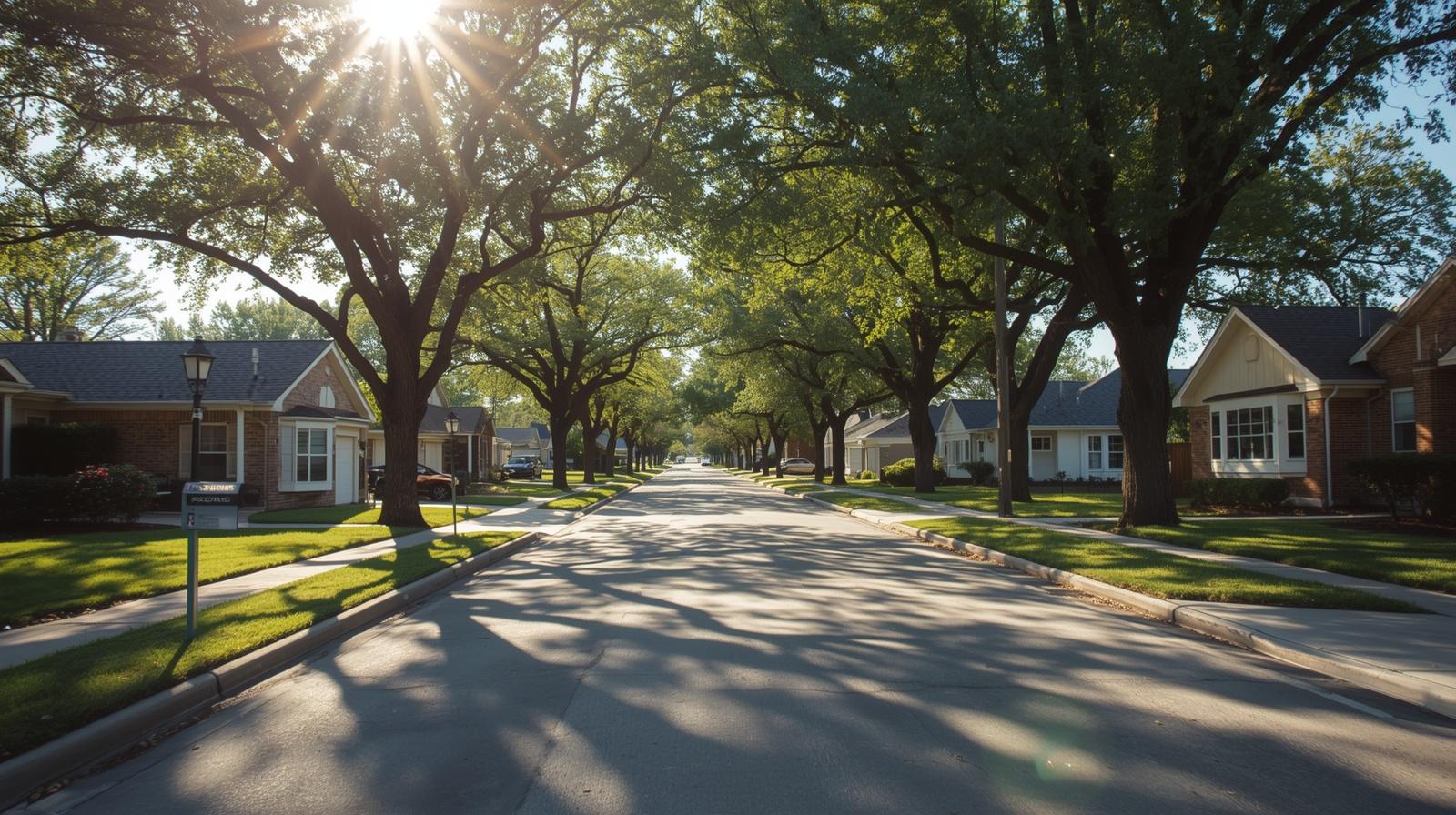
Live Oak and Universal City – SCUCISD at Accessible Prices Near Randolph
Both communities offer SCUCISD access with shorter Randolph gate commutes than Schertz at more accessible price points. Primarily resale markets.

Converse – Budget-Friendly Northeast with Active New Construction
New construction options alongside established resale at the most accessible prices in the northeast corridor. Judson ISD. Fort Sam and Randolph access.
For military families on PCS orders to the northeast corridor, see the PCS to JBSA Randolph guide and the PCS to Fort Sam Houston guide.
Urban and In-City Neighborhoods: Central San Antonio
Most families relocating to San Antonio end up in the suburbs. And for many families, that is the right answer. But San Antonio also has a collection of established in-city neighborhoods and luxury communities that serve a specific kind of buyer well: buyers who want walkable character, architectural history, prestige addresses, or resort-level amenities within the city rather than beyond it.
San Antonio’s urban neighborhoods (King William, Monte Vista, Southtown, and Olmos Park) offer what no master-planned community can replicate: architectural character developed over more than a century, walkability to the city’s cultural and dining core, and neighborhood identities that predate the suburban era entirely.
King William District
King William is San Antonio’s most historically significant residential district. 19th century Victorian and Italianate homes on wide shaded streets immediately south of downtown, walking distance to the River Walk and Southtown’s restaurant scene. Historic preservation guidelines apply to exterior modifications. Price points run from approximately $500,000 into the millions for the most significant properties.
Monte Vista
Monte Vista covers roughly 100 blocks north of downtown with early 20th century architecture (Tudor Revival, Colonial Revival, Craftsman bungalows) on larger lots with mature landscaping. Quieter and more residential in character than King William. Price points from approximately $450,000 to $1 million+.
Olmos Park + Alamo Heights
Olmos Park is a small incorporated city surrounded by San Antonio. Custom homes from the 1920s through 1950s on larger lots, mature trees, and a very maintained residential character. Price points from approximately $500,000 to $1.2 million.
Alamo Heights is the urban neighborhood that also happens to have one of the best school districts in Texas. This suburb is covered fully in the North San Antonio section above and in its own community guide.
The school district reality for most urban SA neighborhoods: San Antonio ISD serves King William, Monte Vista, Southtown, and Olmos Park. Families where school district rating is a primary decision driver typically find the suburban districts (Boerne ISD, Northside ISD, NEISD, Comal ISD) more reliable. Families open to private schools, magnet programs, or charter options find urban SA very livable.
San Antonio Luxury and Prestige Communities
San Antonio’s luxury residential market spans gated golf communities, Hill Country custom estate developments, and established prestige neighborhoods.
The Dominion is San Antonio’s most prestigious and well-known gated community. It’s guard-gated, TPC San Antonio golf courses hosting PGA Tour events, homes from approximately $800,000 to $3 million+. Northwest SA near USAA headquarters.
The La Cantera Corridor offers canyon-view luxury communities. Canyons at Scenic Loop, Cresta Bella, Cantera Manor, and others, with Hill Country adjacent terrain and resort adjacency along the IH-10 northwest corridor. True luxury tier runs approximately $700,000 to $2 million+.
Sonterra is a gated country club community in north SA along US-281. Golf, club amenities, custom homes from approximately $600,000 to $1.5 million, with a more accessible price point than The Dominion and a north SA location.
Hill Country estate communities: Cordillera Ranch in Boerne, Tapatio Springs, Anaqua Springs Ranch, Belle Oaks Ranch in Bulverde, and Vintage Oaks in New Braunfels. These areas are great buyers who want custom builds on acreage with Hill Country scenery. These are covered in the Hill Country corridor section above and in the luxury neighborhoods guide.
Established prestige neighborhoods: Terrell Hills, Olmos Park, and Alamo Heights. They offer custom home character in central SA locations that are well-known prestigious areas.
Military Corridors | Where to Live Based on Your Installation
San Antonio is home to Joint Base San Antonio, which is the largest joint base in the Department of Defense. If you have orders to JBSA, your installation shapes where you look significantly. Here is the general guidance by base:
Lackland AFB families usually focus on the far west and southwest corridors. Alamo Ranch, the Potranco corridor, and communities along Culebra Road and Highway 151 offer the most practical gate commutes alongside Northside ISD schools and suburban infrastructure. Full Lackland PCS Guide
Fort Sam Houston families typically look at north and northeast San Antonio. Stone Oak, Schertz and Cibolo, and Shavano Park for senior officers and medical professionals at BAMC. Full Fort Sam PCS Guide
Randolph AFB families focus on the northeast corridor. Schertz and Cibolo, Live Oak, and Universal City offer the strongest combination of gate proximity and school district quality. Full Randolph PCS Guide
The Military Relocation Hub covers VA loans, BAH context, and dual military PCS situations alongside the installation-specific community guides.
Small Towns and Rural Living Near San Antonio
Not every family relocating to San Antonio wants a suburb. The small towns and rural communities within reach of the city attract buyers who want space, privacy, a slower pace, and a community character that master-planned developments cannot replicate.
The families who thrive in these communities made a deliberate choice. They drove the commute at real commute hours before buying. They made peace with the distance. They prioritized lifestyle over convenience.
The families who struggle are the ones who were drawn by the land prices and the photos without fully accounting for what daily life at that distance looks like on a Tuesday in February.
Seguin – Guadalupe County, Tammy’s hometown, 35 to 45 minutes east on I-10. Small town with its own identity and amenities, new construction activity, more established than most towns on this list.
Castroville – Medina County, 25 minutes west, Little Alsace of Texas. The closest small town to San Antonio on the western side with Hill Country adjacent character.
Canyon Lake – Comal County, 45 to 60 minutes, lake lifestyle destination. Best for remote workers and families whose daily life centers on water recreation rather than San Antonio commutes.
La Vernia – Wilson County sand hills, 40 to 50 minutes southeast. Custom homes on larger lots at prices below the Hill Country market. More remote in practice than it appears on a map.
For the full small towns picture including Floresville, Somerset, Marion, and St. Hedwig, see the Small Towns Near San Antonio hub.
How to Decide Where to Live in San Antonio
If you are still uncertain after reading this guide, work through these four questions in order. The answers almost always surface the right answer.
Question one: Where are you going every day? Identify your primary commute destination before anything else. Map it against the corridors above. Eliminate the areas where the commute does not work before you fall in love with a neighborhood on the wrong side of the city.
Question two: What school district matters most to you? Boerne ISD and Comal ISD lead the Hill Country corridor. Northeast ISD and NEISD lead the north SA corridor. Northside ISD serves the far west and northwest. SCUCISD serves the northeast. Each district has its own character and campus quality profile. The San Antonio Schools guide breaks this down by area.
Question three: What does your budget actually do in each corridor? San Antonio’s different corridors have significantly different price points for comparable homes. The San Antonio Cost of Living guide and the Property Taxes guide give you the full financial picture including the MUD and PID overlays that affect new construction communities.
Question four: What does your daily life actually look like? Remote worker or daily commuter? Kids in school or not? Outdoor lifestyle priorities or suburban amenity priorities? Need to be near specific medical facilities or employers? The answers to these questions filter the remaining options down to a short list.
Once you have worked through those four questions, the Suburb Match Quiz can confirm the recommendation or surface options you have not considered.
FAQs From Buyers Choosing Where to Live in San Antonio
These are the questions that come up most often when families are trying to figure out where to live when moving to San Antonio.
Where is the best place to live in San Antonio Texas?
The best place to live in San Antonio depends entirely on your priorities. Families who prioritize school district quality and Hill Country character consistently gravitate toward Boerne, New Braunfels, and the Comal ISD zone. Families who want established north SA suburban living choose Stone Oak and the northeast ISD corridor. Value-focused buyers with new construction priorities tend toward Alamo Ranch and the far west corridor. Military families follow their installation. The city is large enough that the right answer varies significantly by family.
What part of San Antonio is best for families?
Several parts of San Antonio consistently serve families well. The Hill Country corridor including Boerne and Helotes offers top school districts and outdoor access. North San Antonio including Stone Oak offers established suburban quality. The far west corridor including Alamo Ranch offers newer construction at accessible prices. The northeast corridor including Schertz and Cibolo offers strong SCUCISD schools. The right area depends on commute, school priorities, lifestyle, and budget.
Is San Antonio a good city to live in?
San Antonio consistently ranks as one of the most practical large cities in the country for families relocating from high cost-of-living markets. No state income tax, housing prices well below most major metros, strong suburban school districts, and a wide range of community types. The city is large and spread out, which means location research matters as much as home research.
How do I choose between San Antonio suburbs?
Start with your commute destination and school district priorities before looking at any listings. San Antonio is large and spread out — living on the wrong side of the city for your daily life can mean 30 to 45 additional minutes of driving every day. Once commute and schools are established, lifestyle and budget narrow the remaining options. The Suburb Match Quiz takes about three minutes and gives a personalized recommendation.
What should I know about San Antonio before choosing where to live?
The city grows outward rather than upward, covering an enormous footprint where map distances understate real commute times. The landscape changes dramatically from one side of the city to another. Each major corridor has its own commercial hub so most residents rarely need to drive across the city for daily needs. Property taxes vary significantly by location and should be researched before purchasing.
Ready to Figure Out Where You Belong in San Antonio?
This is the conversation I have with relocating families every week. Where you live in San Antonio matters as much as the home itself. And, getting it right from the beginning saves time, money, and the disruption of realizing you are in the wrong place after you have already moved.
I know every corridor of this city. I live on the far west side, grew up in Seguin, and have worked with families in every part of the metro. When you are ready to have a conversation about your situation, I am here for it.
Schedule a Free Relocation Call
210.236.2393
Explore the full site: San Antonio Relocation Hub · San Antonio Suburbs · Texas Hill Country Living · Small Towns Near San Antonio · Military Relocation · San Antonio Schools · Cost of Living in San Antonio · Free Relocation Guide · Suburb Match Quiz
Tammy Dominguez | San Antonio Realtor and Relocation Specialist | License #684278 | Realty United, LLC